Manufacturing & Quality Control
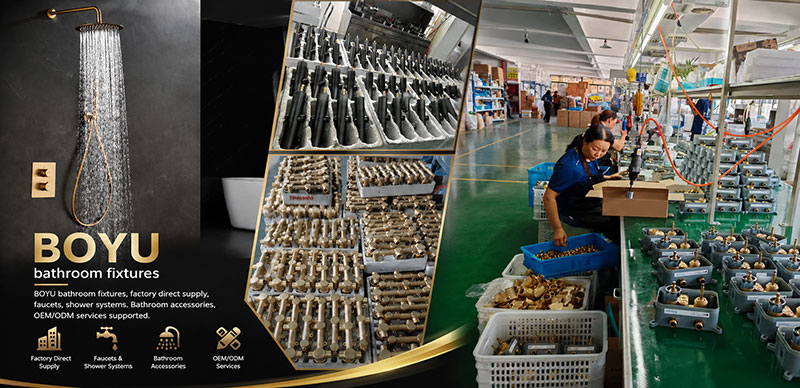
From surface finishing to final inspection and packaging, BOYU organizes its faucet manufacturing process around appearance, component inspection, assembly checks and shipment preparation. The following sections show the finishing methods, quality control procedures and product inspection records used in our production process.
01. Manufacturing Processes
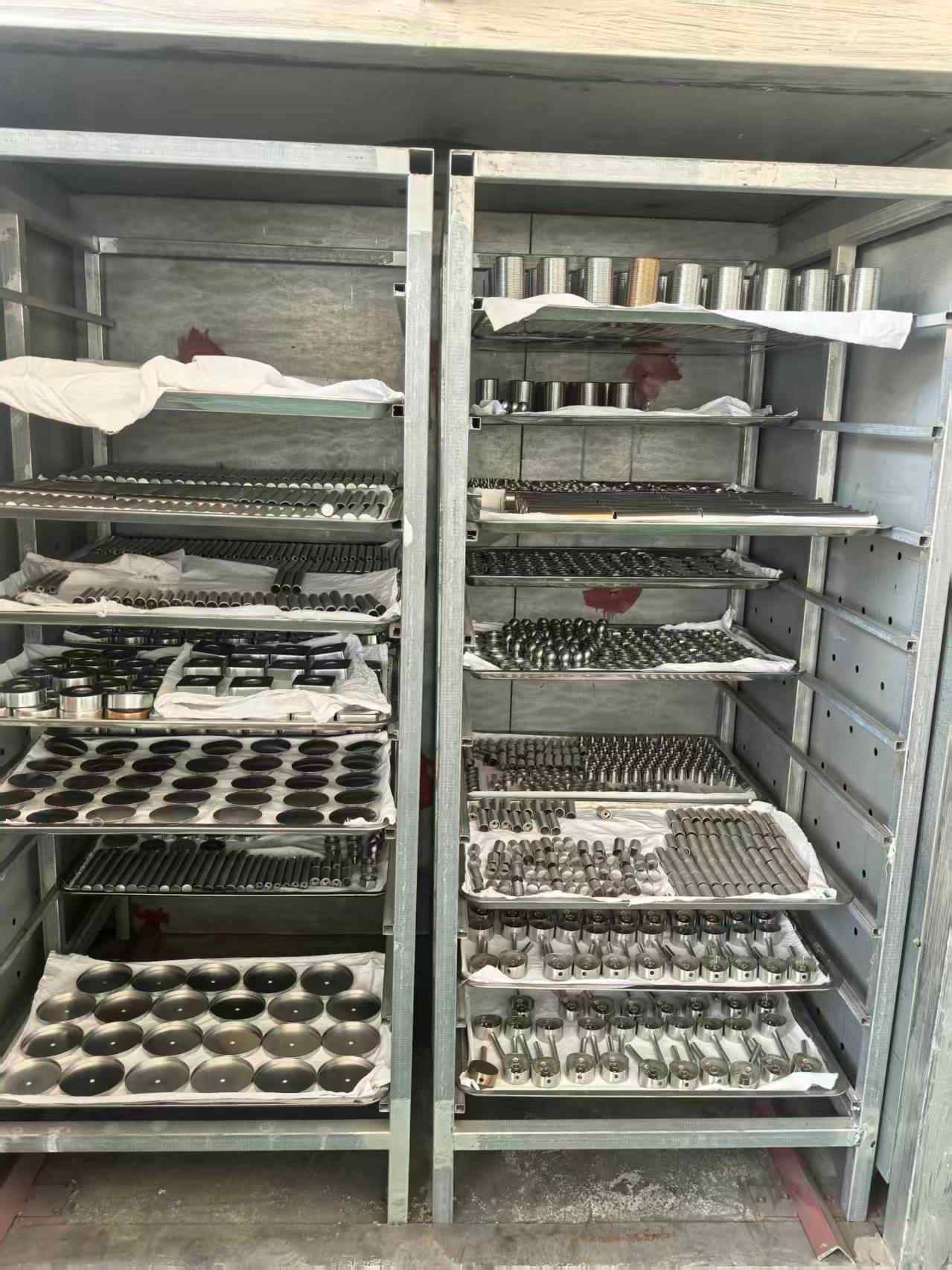
Different faucet finishes require different surface treatment processes. The following methods are used for selected BOYU faucet finishes.
01Matte Black
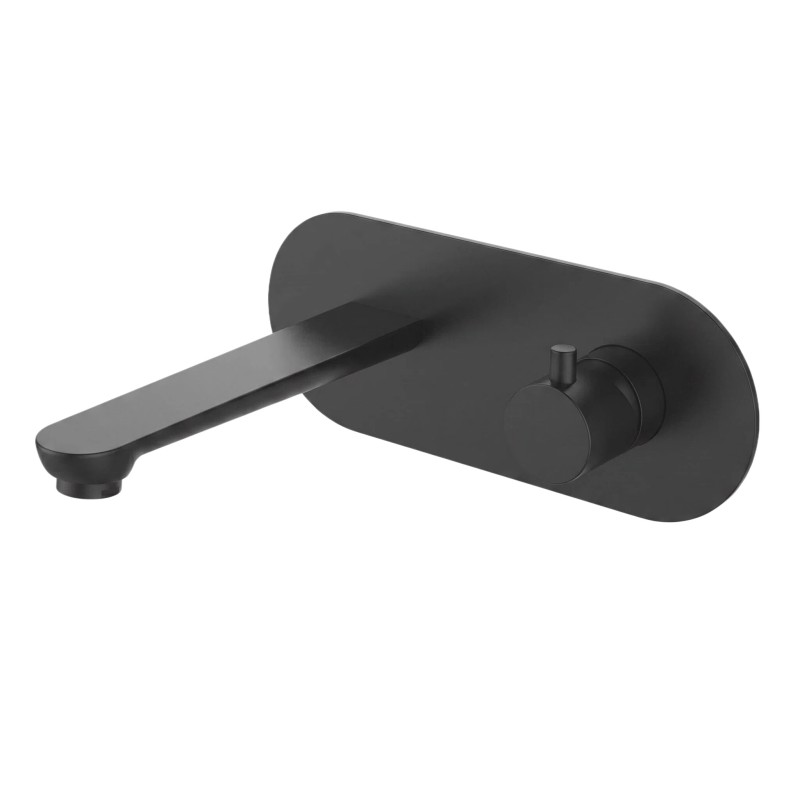
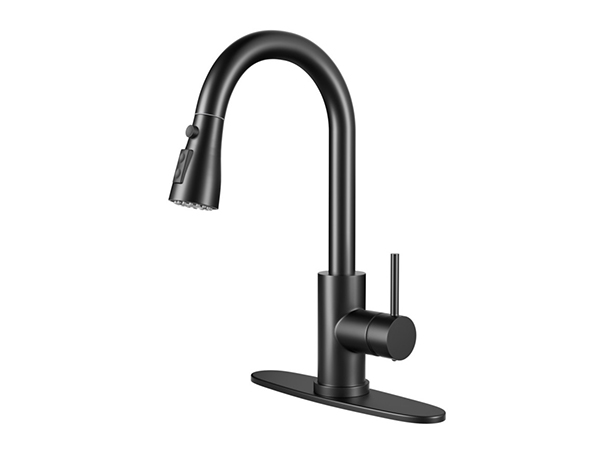
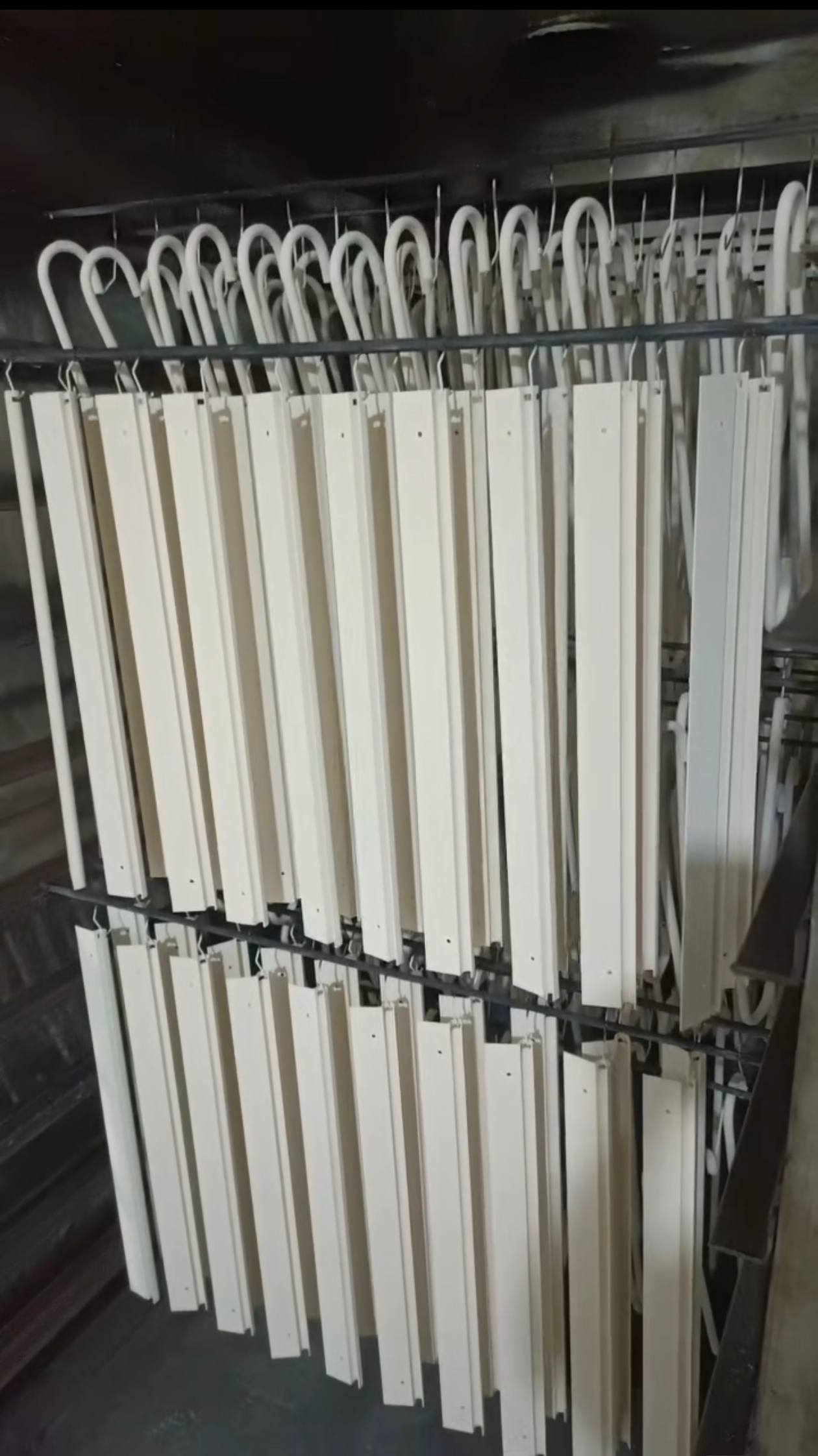
Matte black faucets receive an electrophoretic base coat followed by powder coating through electrostatic spraying and high-temperature baking. The supplied process specifications state a coating thickness of 10–15 microns and surface hardness exceeding 2H. The dual-layer treatment is designed to provide a smooth finish with resistance to fingerprints and water stains. The coating is also described as resistant to scratching and peeling.
02Brushed and Polished Gold
Titanium gold, zirconium gold and brushed gold finishes involve polishing, chrome plating where applicable, brushing and PVD vacuum coating. The supplied specifications list a PVD coating thickness of 8–12 microns and hardness of HV2000–3000. The coating process is intended to maintain the finish color and improve wear resistance compared with conventional plating.
03Brushed Nickel
For brushed nickel faucets, the surface is polished to achieve a uniform finish, then brushed to create the required texture and sealed with a protective glaze. These steps give the faucet a consistent brushed appearance.
04Electrophoretic and Water-Plated Finishes
Selected black, gunmetal grey and white finishes use electrophoretic or water-plating processes, depending on the product and specified surface treatment.

02. Quality Control
Material selection and surface testing are part of the quality control information provided for BOYU faucets and accessories.
01Brass Faucet Body
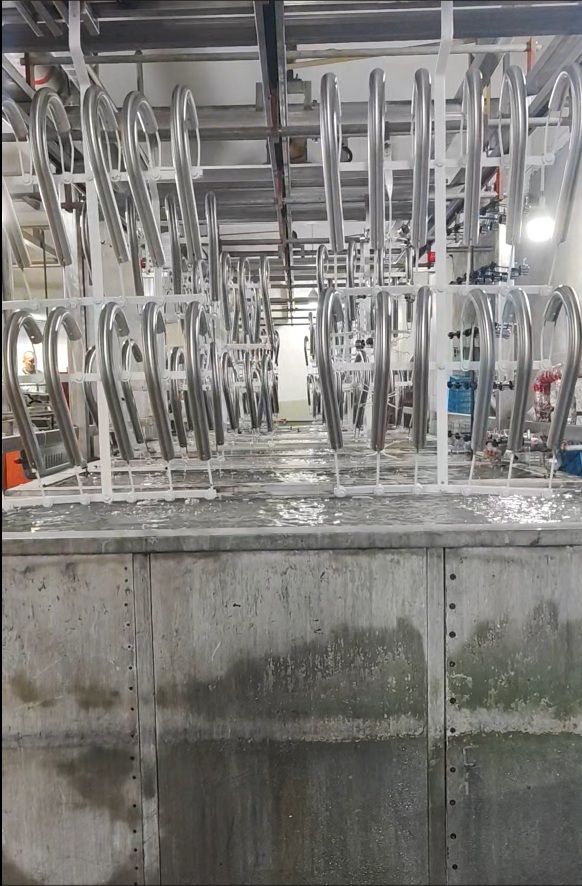
BOYU faucets use a main body cast from 59A-grade brass, according to the supplied product information. The material and casting quality are intended to reduce porosity-related defects that may lead to leakage. The brass body also undergoes acid pickling to prepare the surface and improve its appearance.
02Shower Hose Materials
Shower hoses use five-layer PVC described by the supplied specifications as eco-friendly and explosion-proof. End connectors are made of brass or 304 stainless steel, depending on the selected product.
03Salt Spray Testing
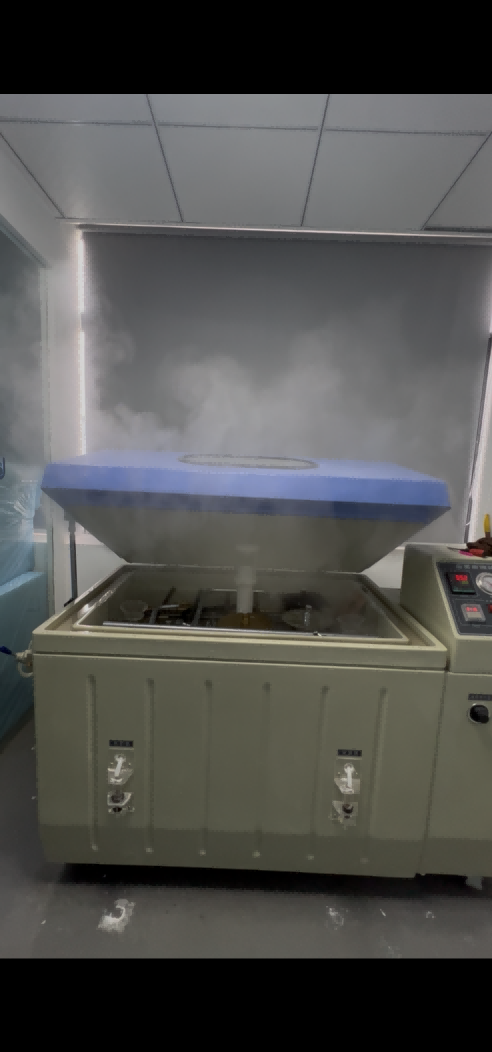
BOYU faucets and accessories are stated to undergo a 200-hour neutral salt spray test. Test documentation and applicable acceptance criteria can be confirmed for the specific product when required.
04Surface Condition
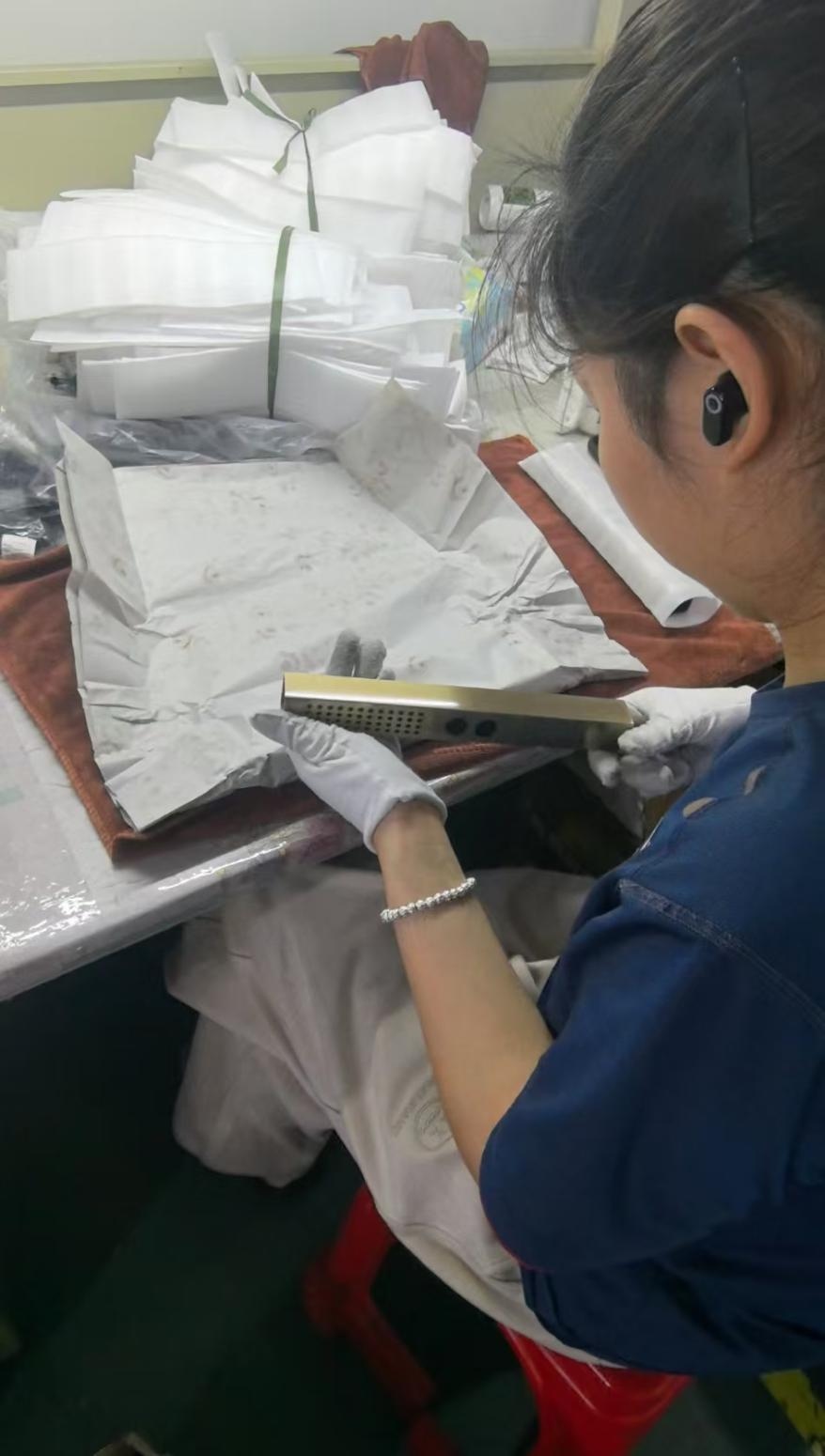
Surface appearance is checked as part of production inspection, including visible scratches, uneven finishes and color differences. Inspection requirements may vary by product and finish.
03. Inspection Records
Inspection takes place before and after faucet assembly to check component condition, assembled product function and shipment information.
01
Pre-Assembly Inspection
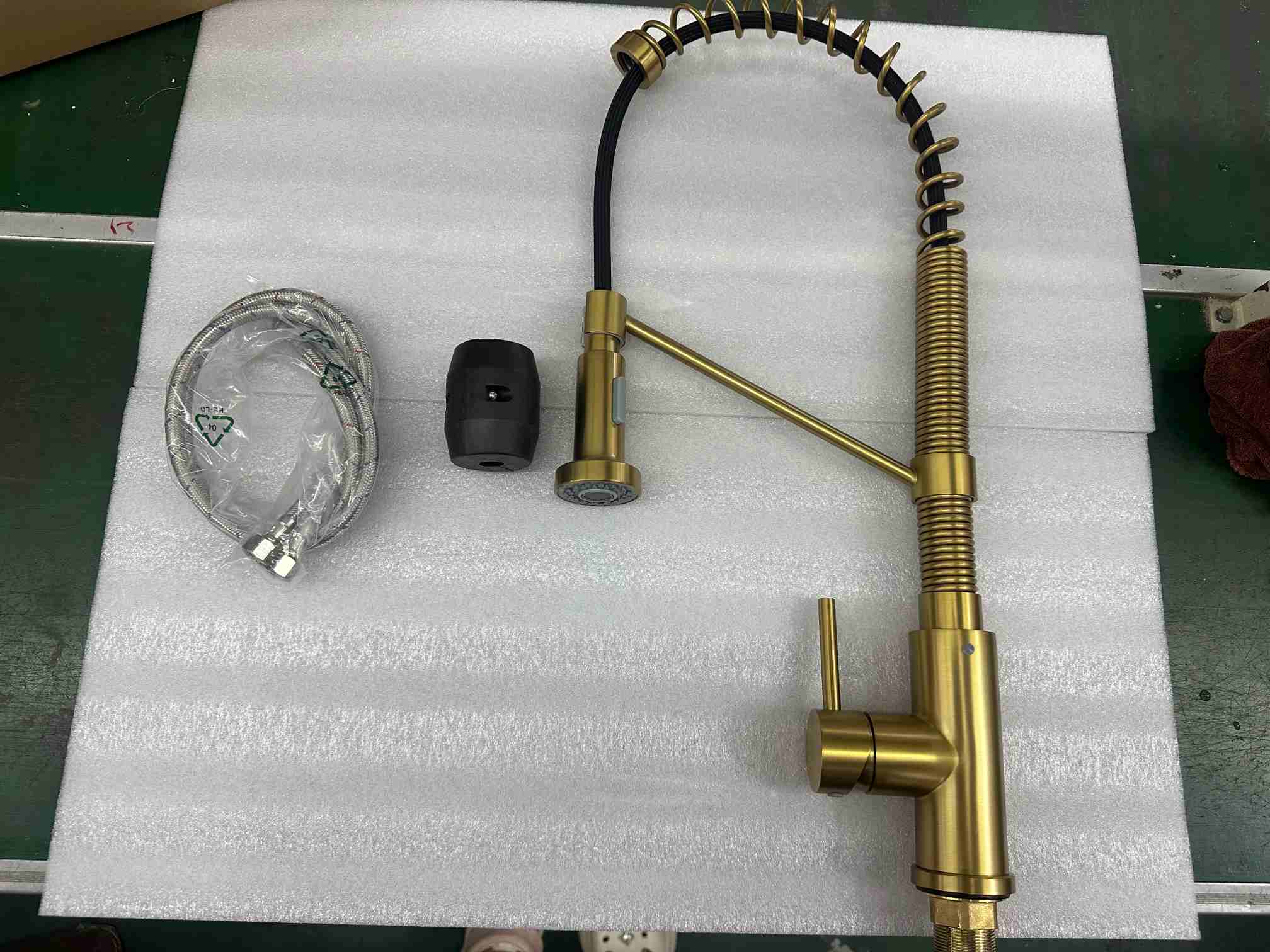
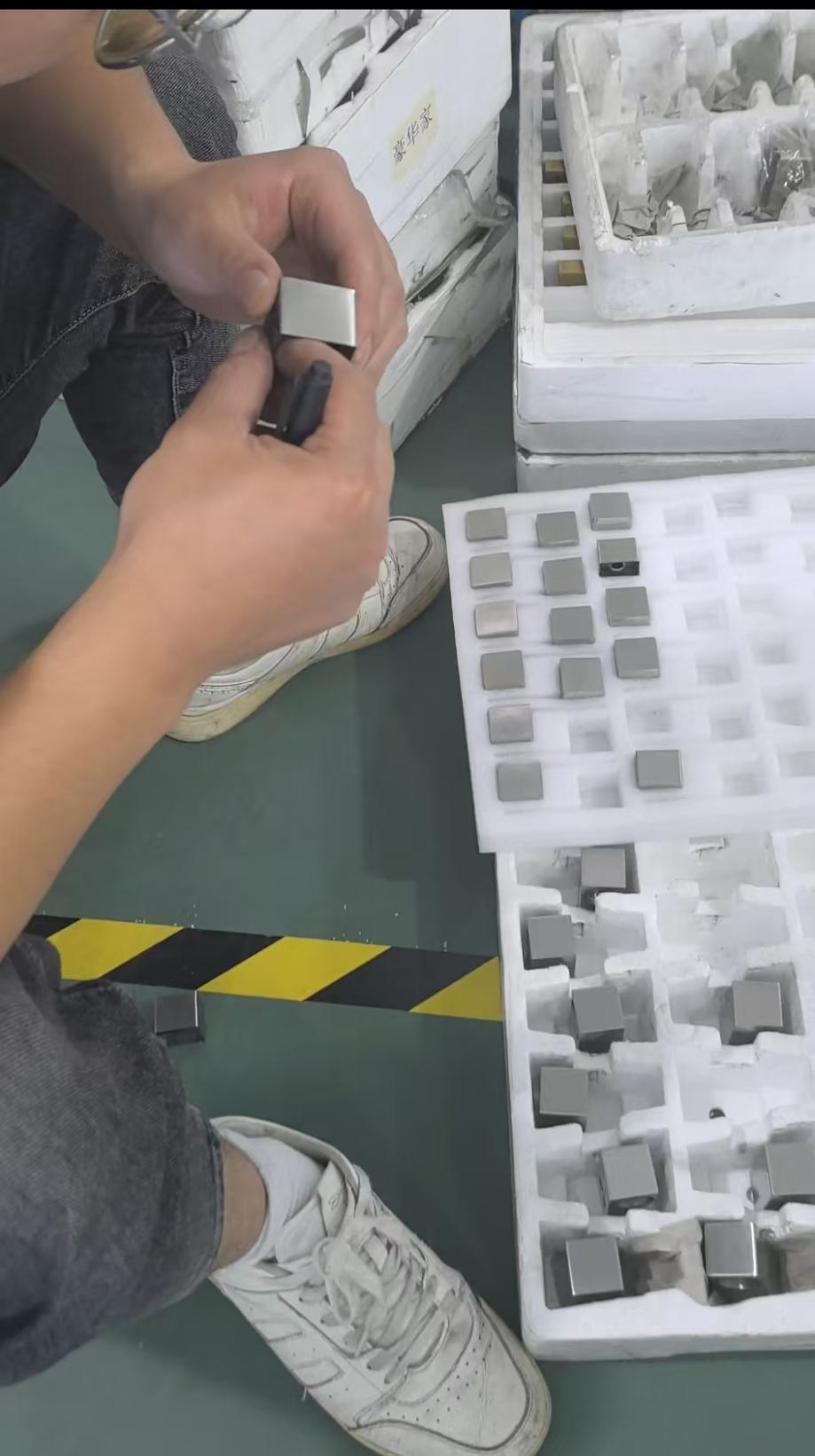
Before assembly, faucet components are checked for functionality where applicable, specifications, quantities and surface condition. The purpose is to identify missing components and visible defects before assembly begins.
02
Post-Assembly Inspection
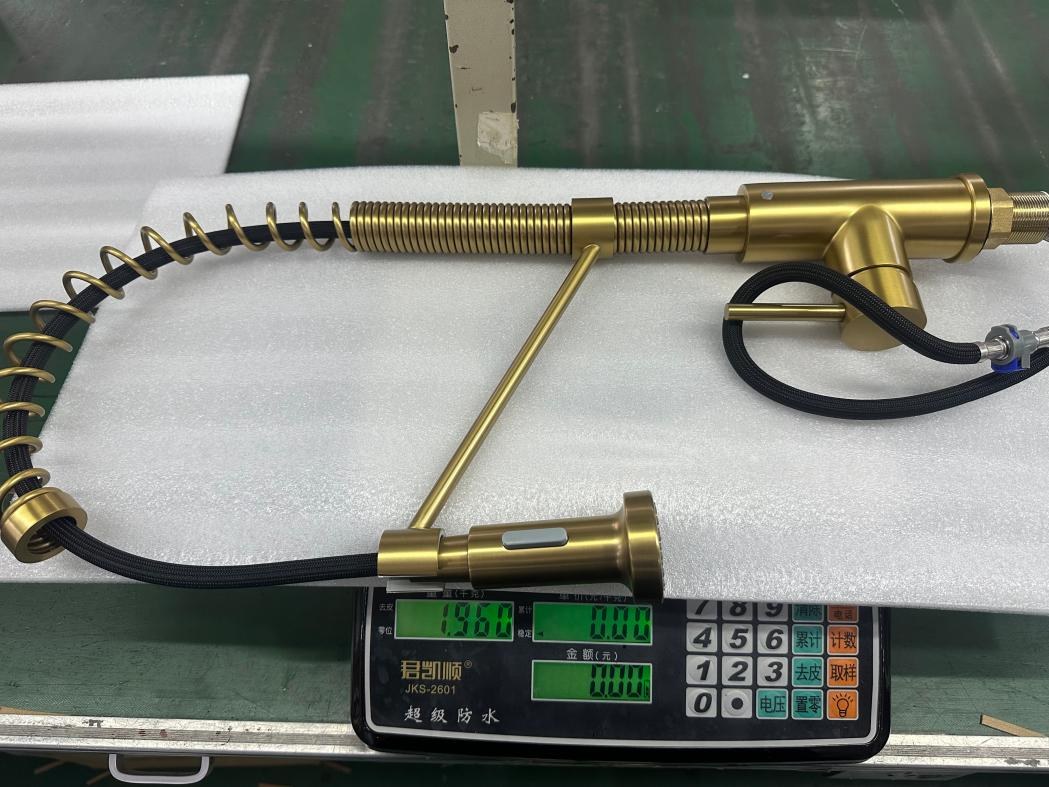
After assembly, faucets undergo a secondary inspection. High-pressure water testing is used to check for water leakage and confirm water flow or pressure against the applicable requirements. Inspectors also check the surface for visible scratches and color differences.
03
Inspection Records and Quantity Verification
Product model, inspection date and quantity are recorded. The recorded quantity is checked against the actual count before shipment.
04. Packaging and Shipment Preparation
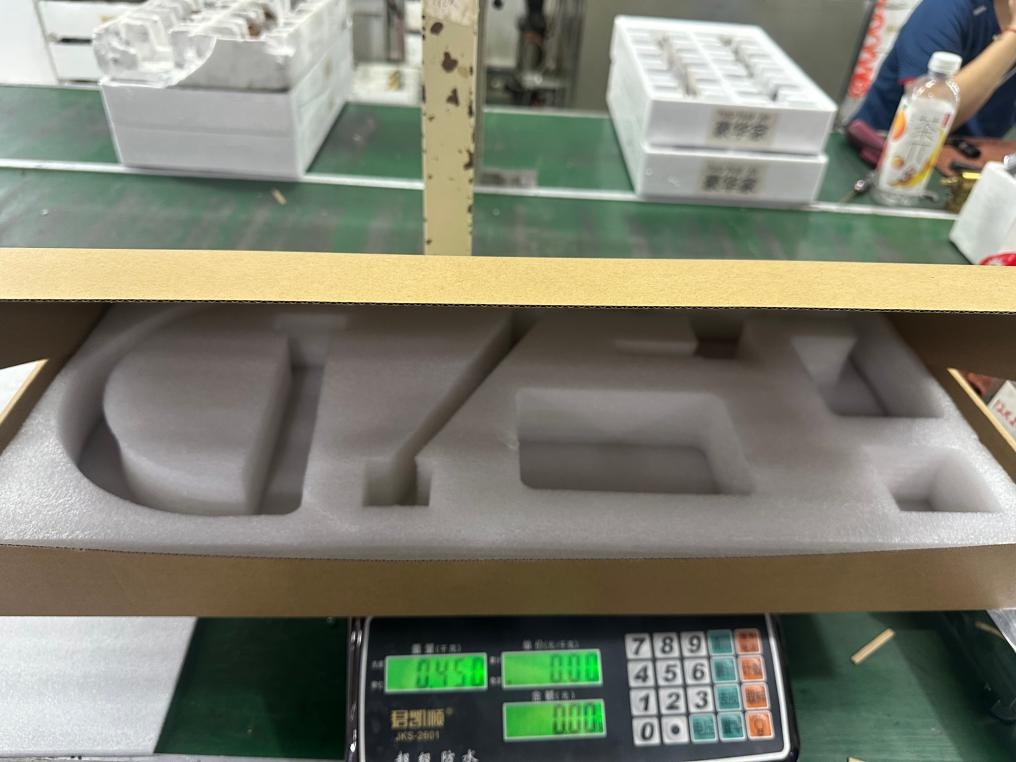
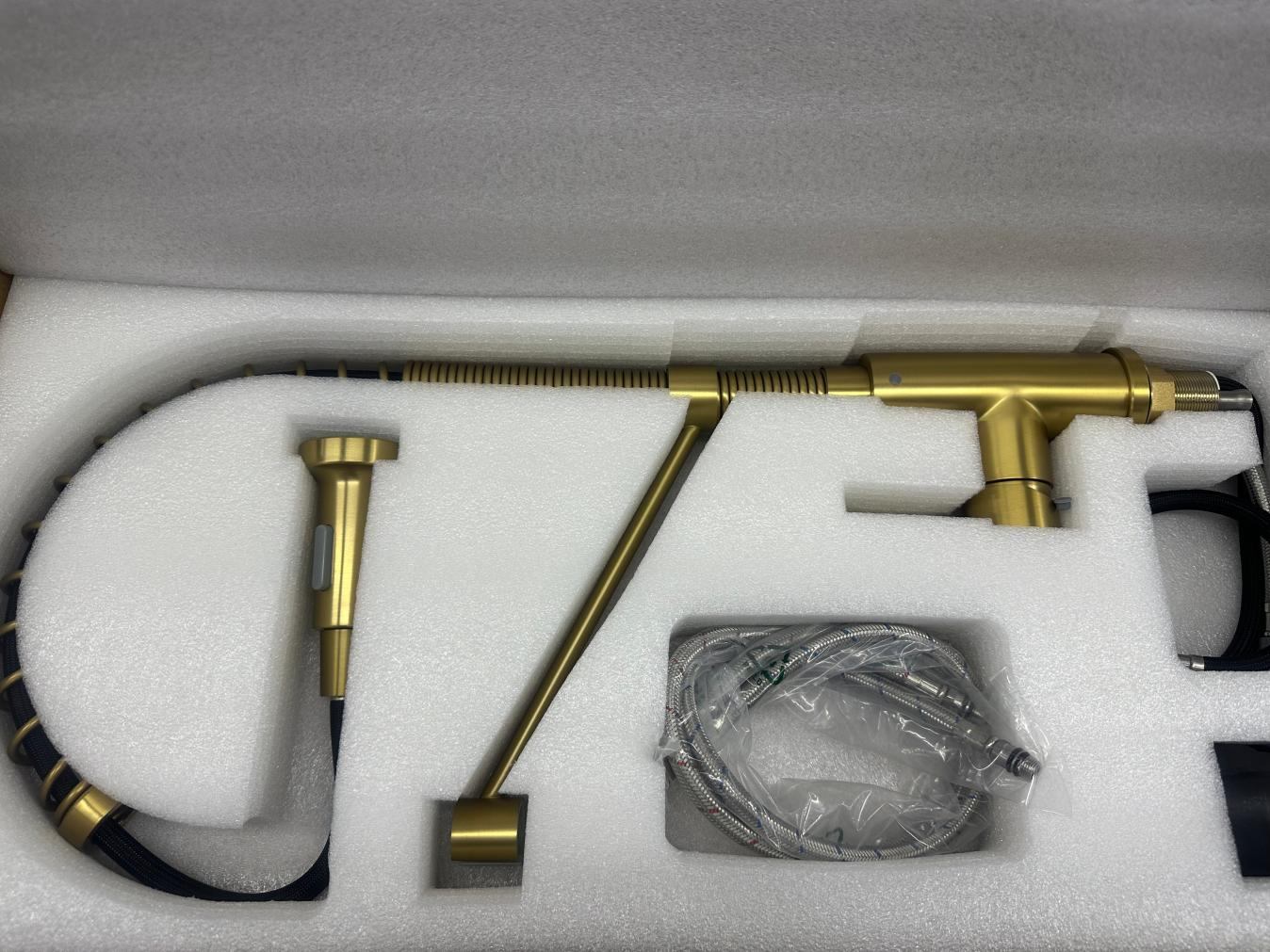
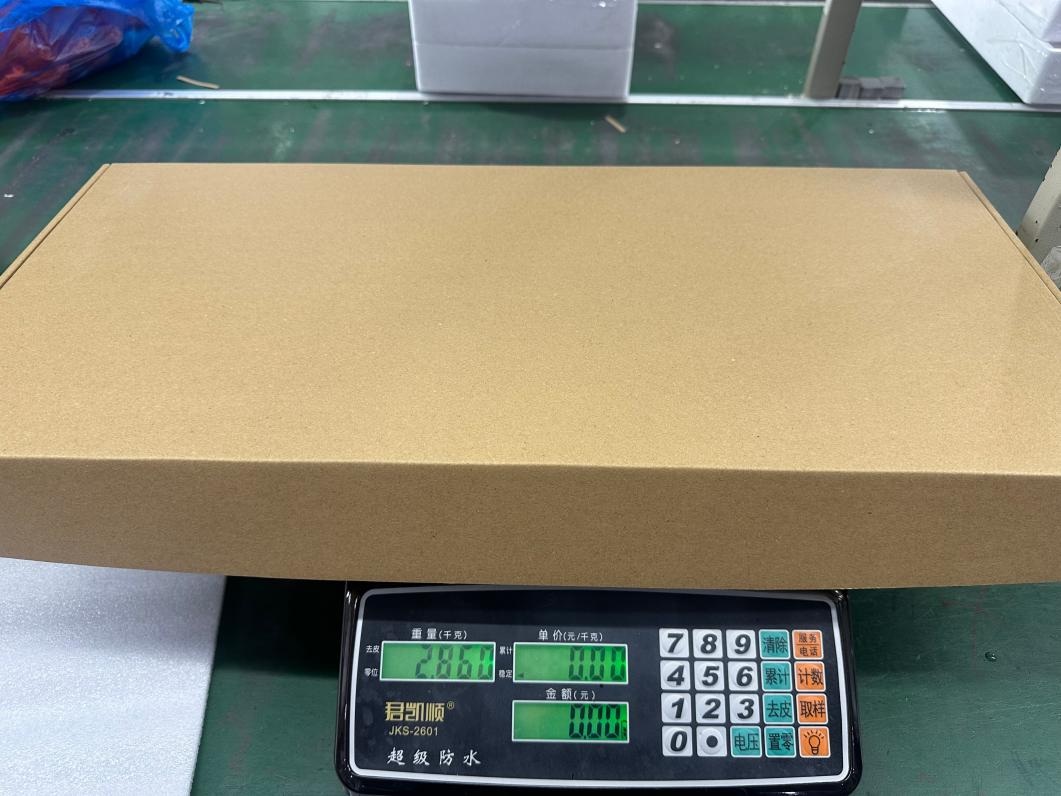
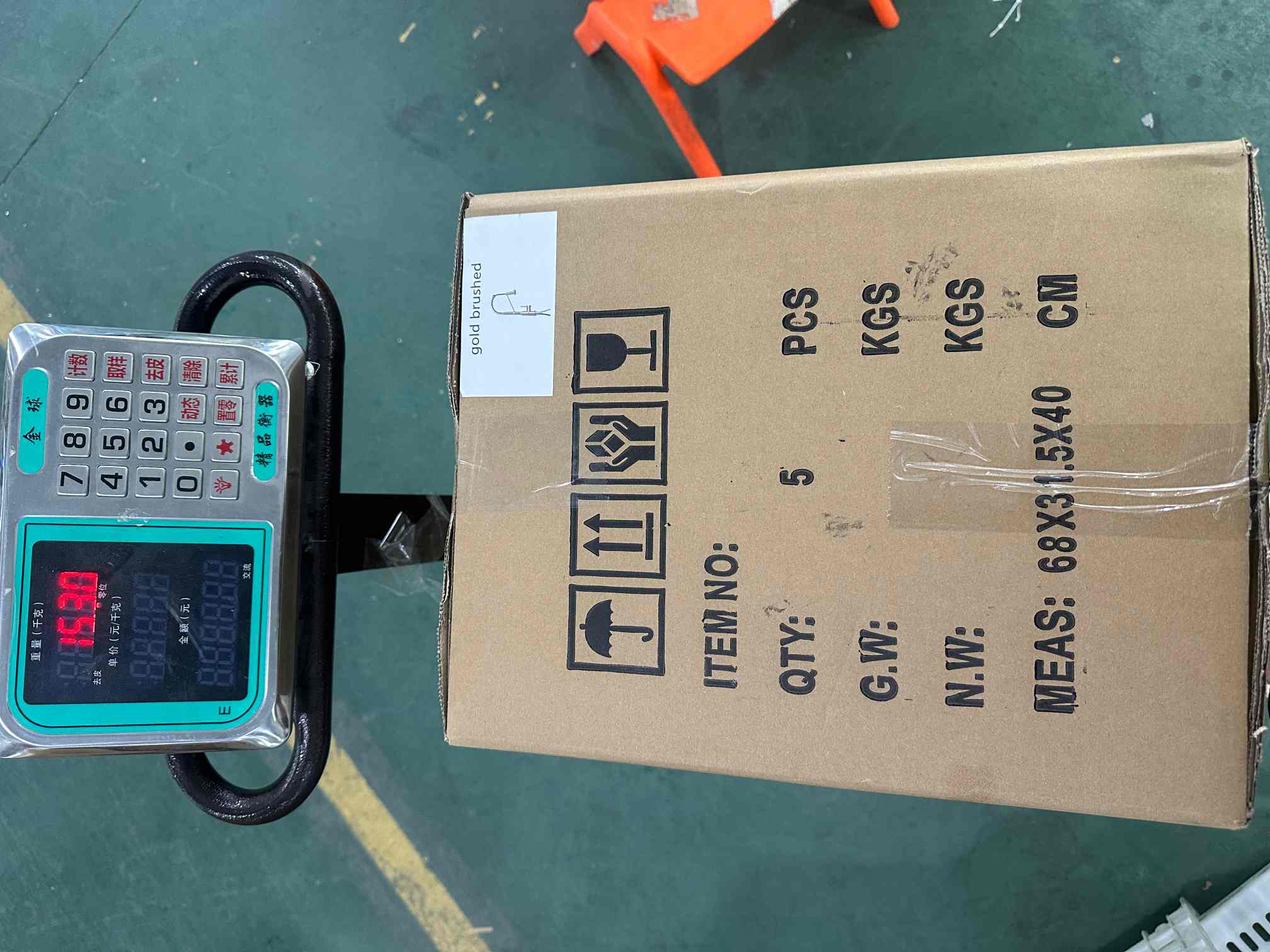
After production, goods are arranged according to the confirmed packaging specifications. BOYU can coordinate inspections with customers and provide on-site photos or videos during container loading to show shipment quantities, packaging condition and loading progress.
Before shipment: Packaging specifications, carton quantities and shipment arrangements can be confirmed with the customer according to the order requirements.
Packaging and Carton Information