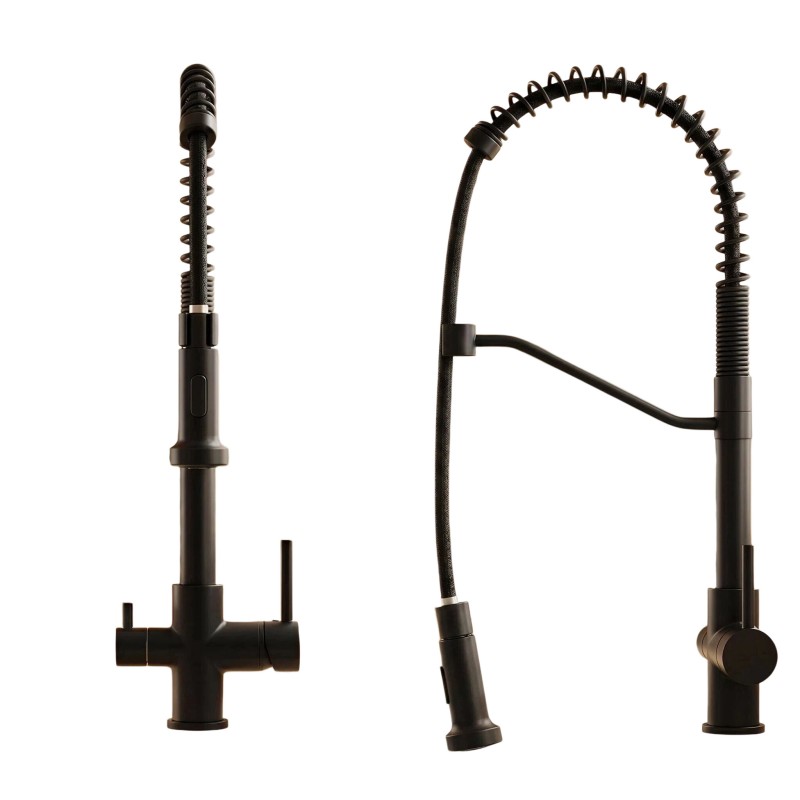
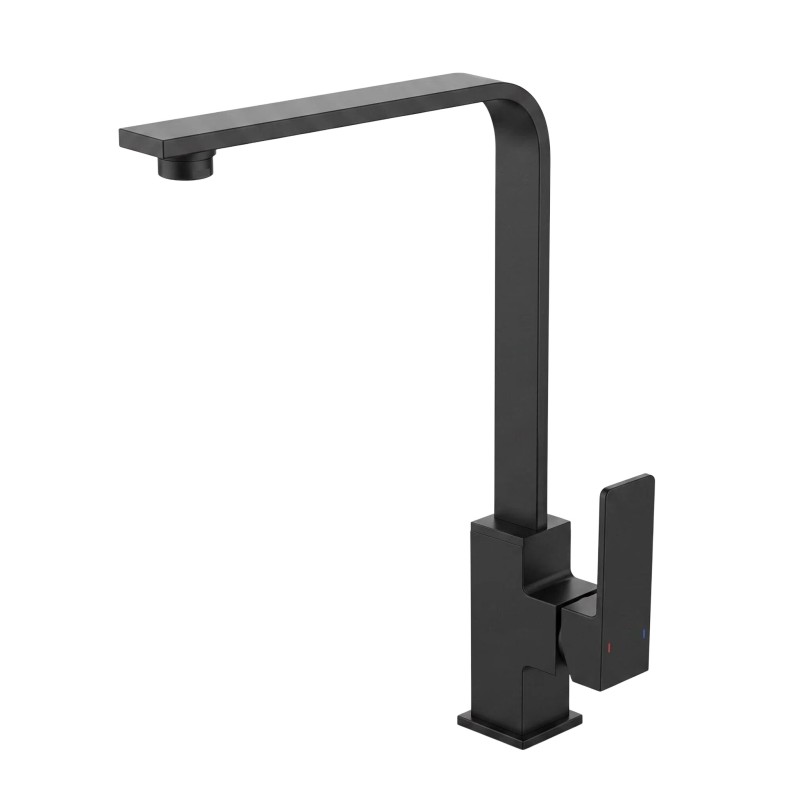
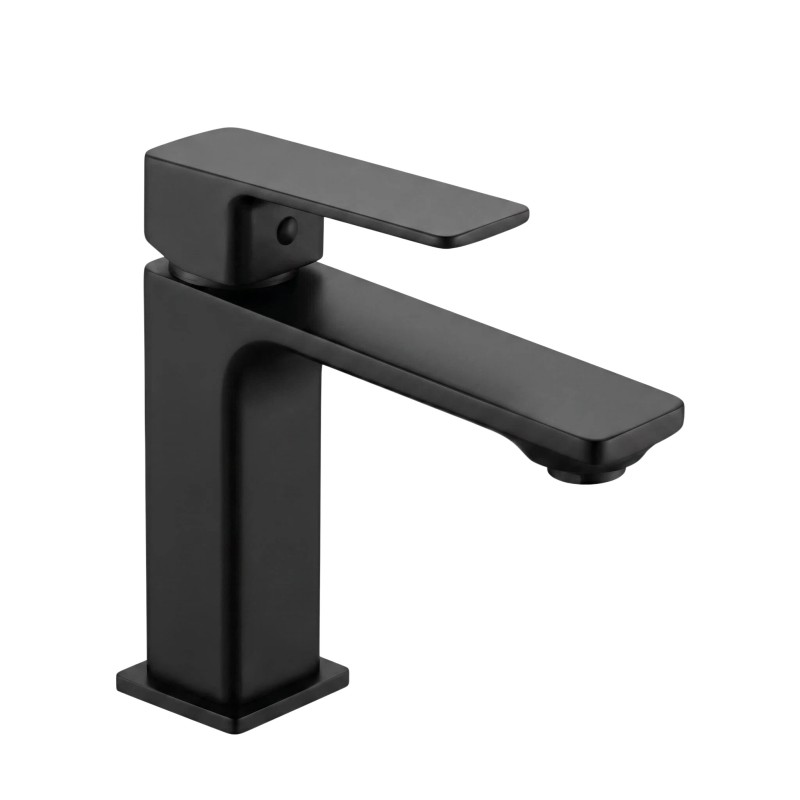
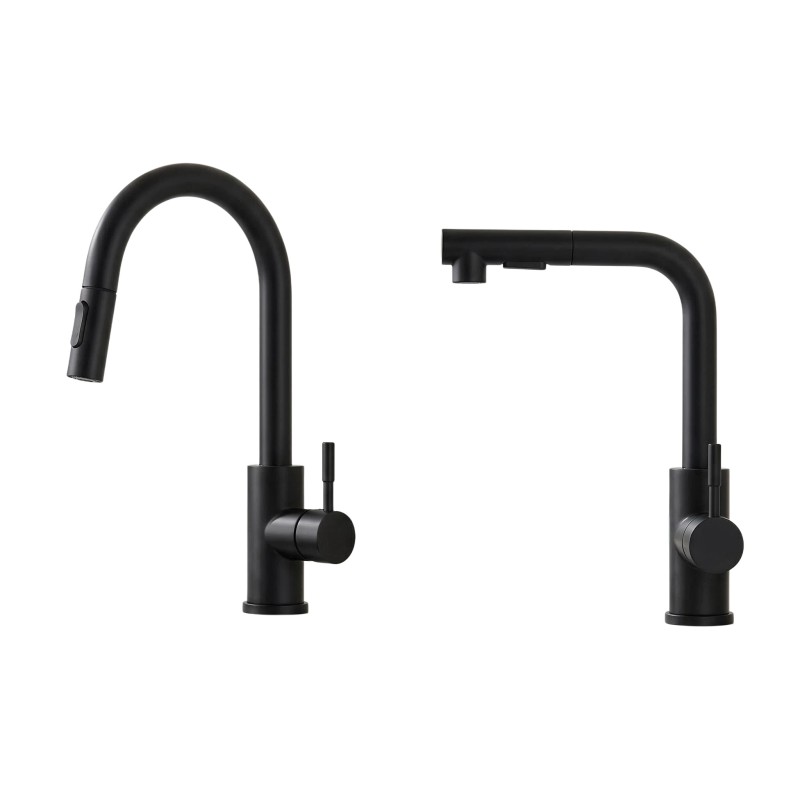
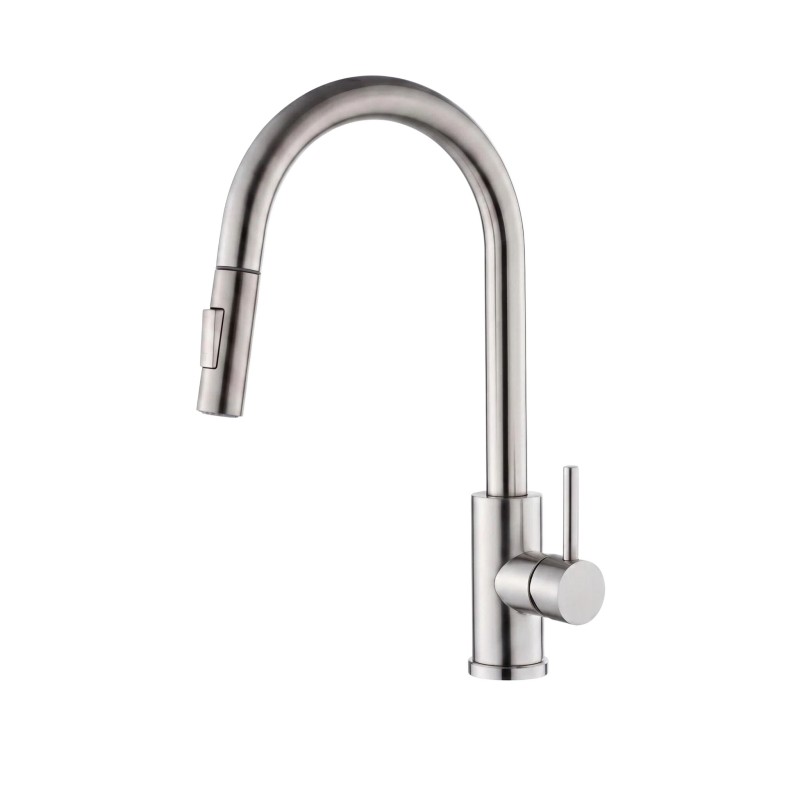
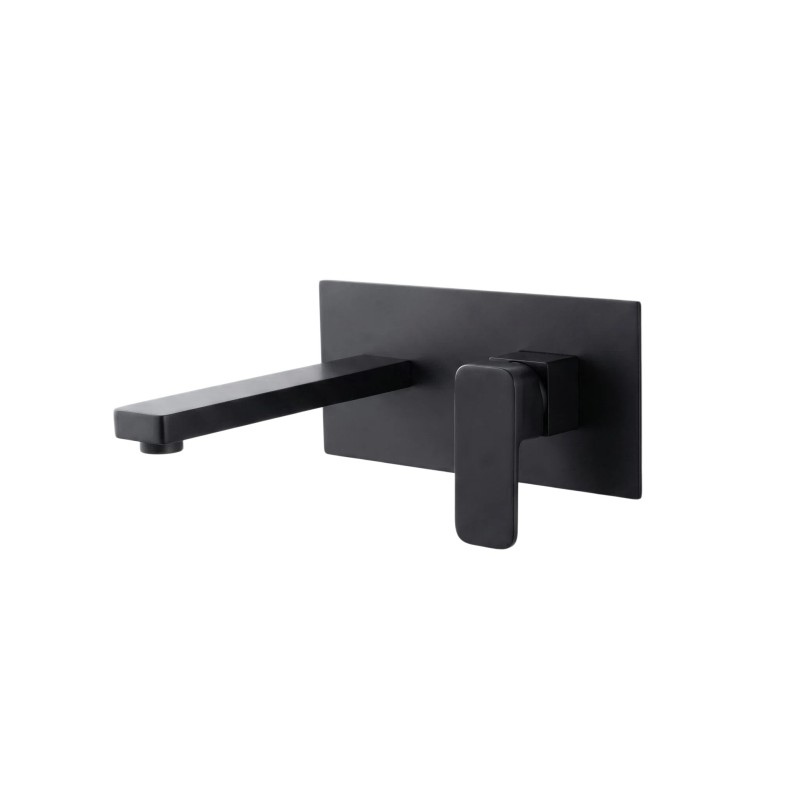
The 304 Stainless Steel Touchless Kitchen Faucet is designed for hands-free water control in modern kitchen environments. Instead of requiring direct contact with the faucet handle during every operation, the touchless configuration uses a sensor-based activation system to start and stop water flow when the user's hand is detected within the sensing area.
This configuration is particularly useful when handling raw ingredients, food residue, or dirty cookware, where reducing direct contact with the faucet surface can make everyday kitchen operation more convenient. The faucet combines a 304 stainless steel construction with an automatic water-control system and conventional plumbing connections.
Manufactured by Wenzhou BOYU Sanitary Ware Co., Ltd. in Wenzhou, Zhejiang, China, the faucet is supported by CNC machining, component assembly, water-pressure testing, leakage inspection, surface inspection, and final quality control. OEM and ODM production is available for distributors, kitchen hardware brands, wholesalers, and project customers.
Product Specifications
|
Item
|
Specification
|
|
Product Name
|
304 Stainless Steel Touchless Kitchen Faucet
|
|
Product Type
|
Touchless / Sensor Kitchen Faucet
|
|
Main Material
|
304 Stainless Steel
|
|
Operation
|
Automatic Sensor Activation*
|
|
Water Control
|
Hands-Free Water Flow Control
|
|
Sensor System
|
Motion / Presence Detection*
|
|
Water Inlet
|
Hot and Cold Water Connection*
|
|
Power Supply
|
Model-Dependent*
|
|
Manual Control
|
Model-Dependent*
|
|
Application
|
Residential and Commercial Kitchens
|
|
Manufacturing Process
|
CNC Machining, Assembly and Quality Inspection
|
|
Pressure Testing
|
Water Pressure and Leakage Testing
|
|
Salt Spray Testing
|
200-Hour Neutral Salt Spray Test*
|
|
OEM / ODM
|
Available
|
*Electrical configuration, sensor type, power supply, manual override and other functions should be confirmed according to the selected model.
Hands-Free Water Activation
The primary function of this faucet is automatic water activation. When the user's hand enters the sensor detection area, the control system can activate the water flow without requiring the handle to be touched.
This operating method is useful for tasks where both hands are occupied or where the user does not want to touch the faucet after handling food or dirty objects. After the user moves away from the detection area, the system can stop the water flow according to the programmed control logic.
The actual sensing distance, response time, activation logic, and shut-off delay depend on the electronic control configuration and should be confirmed for the specific model.
Sensor System and Detection Area
The performance of a touchless faucet depends heavily on the relationship between the sensor, detection area, control module, and water valve. The sensor must identify the intended hand movement while minimizing unnecessary activation caused by surrounding objects or environmental conditions.
|
Sensor Parameter
|
Purchasing Consideration
|
|
Detection Range
|
Defines the effective hand-detection area
|
|
Response Time
|
Affects how quickly water starts after hand detection
|
|
Shut-Off Response
|
Determines how quickly water stops after the user leaves the detection area
|
|
Detection Stability
|
Helps reduce unintended activation during normal operation
|
|
Sensor Position
|
Influences the practical operating area above the sink
|
For commercial or high-volume kitchen projects, buyers should evaluate sensor response and operating stability under the actual installation environment rather than relying only on laboratory specifications.
Automatic Water Valve Control
A touchless faucet requires an electronic control system to operate the water valve. The sensor detects the user's hand and sends an activation signal to the control unit, which then controls the water flow.
This means that the reliability of the finished faucet depends on several coordinated components rather than the sensor alone. The electronic control module, valve, power source, sensor, wiring, seals, and waterway must all operate correctly as one system.
For OEM projects, the control method and electrical configuration should be defined during product development so that the faucet can be matched with the requirements of the target market.
Touchless Operation for Kitchen Hygiene
A conventional kitchen faucet normally requires the user to operate a handle or lever. A touchless faucet allows water to be activated without direct contact with the faucet surface.
This can be useful when washing hands after handling raw meat, vegetables, flour, or other ingredients. It also reduces the number of times the faucet handle needs to be touched during routine kitchen tasks.
The touchless function should be considered a water-control method rather than a substitute for normal kitchen cleaning and hygiene practices.
304 Stainless Steel Construction
The main faucet body uses 304 stainless steel, a material commonly selected for kitchen fixtures exposed to water and humid environments.
The material selection is particularly relevant for kitchen applications because the faucet is frequently exposed to water, cleaning agents, food residues, and changes in temperature during normal use.
BOYU processes relevant stainless steel components through CNC machining operations such as drilling, tapping, deburring, and cleaning before assembly. Dimensional accuracy and component fit are controlled during the production process.
Electronic and Plumbing Systems
Unlike a conventional mechanical faucet, a touchless faucet combines two functional systems: the waterway and the electronic control system.
|
System
|
Main Components
|
Function
|
|
Waterway
|
Water Inlets, Valve, Internal Passages, Outlet
|
Controls and delivers water
|
|
Detection
|
Sensor
|
Detects hand presence or movement
|
|
Control
|
Electronic Control Module
|
Processes sensor signals
|
|
Actuation
|
Automatic Water Valve
|
Starts or stops water flow
|
|
Power
|
Power Supply System*
|
Provides electrical power to the control system
|
*The exact electronic architecture varies according to the selected model.
Power Supply Options
The power supply is an important specification when selecting a touchless kitchen faucet. Depending on the model, the electronic system may be designed around a battery-powered or external power configuration.
For OEM and project applications, buyers should confirm the required power source, voltage, battery arrangement if applicable, control-box location, replacement procedure, and compatibility with the destination market.
The power configuration should also be considered together with installation access. Components requiring periodic replacement or inspection should remain accessible after the faucet has been installed.
Manual Control and Backup Operation
Some touchless kitchen faucet configurations can incorporate manual water control in addition to automatic activation. This can provide an alternative operating method when the sensor function is intentionally disabled or when specific kitchen tasks require conventional control.
Whether manual override is available depends on the selected model. Buyers should specify the preferred control method during the quotation and sampling stage.
Water Flow and Temperature Control
For kitchens supplied with both hot and cold water, temperature control remains an important consideration even when the faucet is activated by a sensor.
The final faucet configuration should specify how water temperature is adjusted, whether temperature remains at a preset position, and how the sensor-controlled valve interacts with the hot and cold water supply.
|
Parameter
|
What Buyers Should Confirm
|
|
Water Supply
|
Hot and cold or cold-only configuration
|
|
Temperature Control
|
Manual or preset temperature adjustment
|
|
Flow Control
|
Sensor-controlled or combined control
|
|
Water Pressure
|
Applicable working pressure range
|
|
Flow Rate
|
Required flow performance for the target market
|
Water Pressure and Leakage Testing
The electronic function of a touchless faucet does not replace conventional water-quality inspection. The waterway must still maintain reliable sealing under the specified working conditions.
BOYU's production inspection procedures include airtightness checks, pressure testing, hot and cold pressure cycling, and evaluation of pressure and flow stability.
-
Airtightness inspection
-
Water-pressure testing
-
Leakage inspection
-
Hot and cold pressure cycling
-
Pressure stability evaluation
-
Flow stability evaluation
-
Electronic function inspection*
*Electronic inspection items should be confirmed according to the sensor faucet model.
Surface Finish and Corrosion Resistance
Kitchen faucets are exposed to water, humidity, detergents, fingerprints, and repeated cleaning. Surface condition is therefore an important part of final product inspection.
BOYU states that its faucets, shower systems, and bathroom accessories undergo a 200-hour neutral salt spray test. The test is used to evaluate the corrosion resistance of the tested surface system under accelerated conditions.
For OEM orders, the required surface finish, color, coating system, salt spray requirement, and applicable testing standard can be confirmed according to the target market.
Manufacturing and Assembly Process
|
Production Stage
|
Main Control Point
|
|
Raw Material Inspection
|
Material grade and component specification
|
|
CNC Machining
|
Dimensions, drilling, tapping and component accuracy
|
|
Deburring and Cleaning
|
Removal of machining residues and sharp edges
|
|
Surface Treatment
|
Finish consistency and surface condition
|
|
Electronic Component Assembly
|
Sensor and control component installation
|
|
Waterway Assembly
|
Valve, seals and water connections
|
|
Functional Testing
|
Sensor response and water activation*
|
|
Water Testing
|
Leakage, pressure and flow performance
|
|
Final Inspection
|
Appearance, operation and packaging
|
Quality Inspection for Touchless Faucets
Touchless faucets require inspection of both mechanical and electronic functions. In addition to checking the faucet body and water connections, the sensor system and automatic water-control function should be verified according to the applicable product specification.
|
Inspection Area
|
Inspection Focus
|
|
Sensor
|
Detection and activation response
|
|
Automatic Valve
|
Start and stop operation
|
|
Waterway
|
Pressure, flow and leakage
|
|
Power System
|
Electrical connection and operating condition
|
|
Handle
|
Manual operation if applicable
|
|
Surface
|
Finish consistency and visible defects
|
|
Connections
|
Inlet and mounting security
|
|
Packaging
|
Component completeness and protection
|
Installation Considerations
The installation of a touchless faucet requires consideration of both plumbing connections and electronic components. The faucet mounting location should provide a clear sensor detection area while maintaining sufficient access to the control and power components.
-
Confirm the mounting-hole diameter.
-
Check countertop thickness.
-
Confirm hot and cold water connections.
-
Determine the sensor detection area.
-
Avoid placing large objects directly within the sensor's normal detection zone.
-
Allow sufficient space beneath the countertop for control components and connections.
-
Confirm the power supply arrangement.
-
Ensure that serviceable components remain accessible after installation.
Residential and Commercial Applications
|
Application
|
Typical Requirement
|
|
Residential Kitchens
|
Hands-free water control for everyday kitchen use
|
|
Modern Kitchen Projects
|
Sensor-operated kitchen fixtures
|
|
Apartment Developments
|
Standardized touchless kitchen installations
|
|
Hospitality Kitchens
|
Reduced direct contact during frequent operation
|
|
Commercial Facilities
|
Automatic water activation for repeated use
|
|
Private Label Products
|
Customized electronic and mechanical configurations
|
OEM and ODM Customization
BOYU provides OEM and ODM manufacturing for importers, distributors, kitchen hardware brands, wholesalers, retailers, and project customers.
For sensor faucet projects, customization can cover both the mechanical faucet structure and the electronic control configuration.
-
Faucet body dimensions
-
Spout height and reach
-
Sensor position
-
Sensor detection range
-
Activation logic
-
Water-flow control
-
Power supply
-
Manual override
-
Valve configuration
-
Surface finish
-
Brand logo
-
Packaging and labeling
Customers can provide drawings, samples, reference products, or target-market specifications for product development and quotation.
Factory Manufacturing Capability
Wenzhou BOYU Sanitary Ware Co., Ltd. operates a manufacturing facility of more than 4,000 square meters in Longwan District, Wenzhou, Zhejiang, China.
The factory integrates product design, R&D, CNC machining, assembly, testing, quality inspection, and finished-goods management. Its reported daily production capacity includes 3,000 faucets, 1,500 shower systems, 1,000 smart toilets, and 5,000 towel racks.
Buyer Selection Guide
When purchasing a touchless kitchen faucet, buyers should evaluate the electronic control system together with the mechanical faucet structure. A sensor faucet is not simply a conventional faucet with a sensor added to the exterior; the sensor, controller, valve, power supply, waterway, and installation environment all affect the finished product.
|
Selection Parameter
|
What to Confirm
|
|
Material
|
304 stainless steel or specified material grade
|
|
Sensor Type
|
Detection technology and activation method
|
|
Detection Range
|
Required operating area
|
|
Response Time
|
Activation and shut-off response
|
|
Power Supply
|
Battery or external power configuration
|
|
Valve
|
Automatic water-control configuration
|
|
Temperature Control
|
Manual, preset or integrated control
|
|
Manual Override
|
Whether conventional control is required
|
|
Water Pressure
|
Applicable working pressure
|
|
Surface Finish
|
Finish type and corrosion-test requirements
|
|
Certification
|
Requirements of the destination market
|
Why Source Touchless Kitchen Faucets from BOYU?
Sensor-operated kitchen faucets combine sanitary hardware manufacturing with electronic control technology. Product reliability therefore depends on accurate mechanical processing, stable water sealing, correct electronic assembly, and functional testing.
BOYU integrates CNC machining, component assembly, water-pressure testing, surface inspection, and final quality control within its manufacturing operation. This integrated process supports the development and production of customized kitchen faucet configurations for different markets.
For private-label and OEM customers, BOYU can support product development, prototype production, customized specifications, logo application, packaging, and production based on drawings or samples.
Frequently Asked Questions
What is a touchless kitchen faucet?
A touchless kitchen faucet uses a sensor-based control system to activate water flow when a user's hand is detected in the designated sensing area, reducing the need to touch the faucet during operation.
How does a sensor kitchen faucet work?
The sensor detects the user's hand and sends a signal to the control system. The control system then operates the water valve to start or stop the water flow according to the programmed operating logic.
What is the main material of this faucet?
The main faucet construction uses 304 stainless steel. The exact materials of internal and electronic components should be confirmed according to the selected model.
Does a touchless faucet require electricity?
Yes. The electronic sensor and control system require a power source. The exact configuration may be battery-powered or use an external power supply depending on the model.
Can the faucet also have manual control?
Some configurations can incorporate manual control or an override function. This should be specified when selecting or customizing the faucet.
Can the sensor sensitivity be customized?
Sensor detection parameters can be discussed during OEM/ODM development. The achievable detection range and response characteristics depend on the selected electronic system and product structure.
Can the touchless faucet be used with hot and cold water?
The faucet can be configured for hot and cold water supply depending on the model. The water inlet and temperature-control configuration should be confirmed before ordering.
Does BOYU perform water-pressure testing?
Yes. BOYU's faucet production includes pressure, leakage, pressure-cycling, and flow-stability inspections.
Does BOYU test the sensor function?
Sensor-function inspection can be incorporated into the production quality-control process according to the electronic configuration of the selected model.
Can we add our own logo?
Yes. BOYU provides logo customization for OEM projects. Logo position, application method, artwork, and MOQ should be confirmed before production.
Can BOYU customize the power supply?
Power-supply requirements can be discussed during OEM/ODM development. Buyers should specify the target market, installation environment, preferred power source, and service requirements.
What information is required for an OEM quotation?
Buyers should provide the required material, faucet dimensions, sensor configuration, detection range, power supply, valve type, temperature control, water connections, surface finish, certification requirements, logo, packaging, MOQ, and estimated order quantity.
OEM Technical Confirmation
For customized touchless kitchen faucet projects, confirm the following parameters before sampling:
Material Grade → Faucet Dimensions → Sensor Type → Detection Range → Response Time → Water Valve → Power Supply → Temperature Control → Manual Override → Water Connections → Working Pressure → Flow Rate → Surface Finish → Certification → Logo → Packaging → MOQ → Lead Time
Confirming these parameters before sampling helps reduce electronic compatibility issues, installation changes, repeated prototype revisions, and production delays.