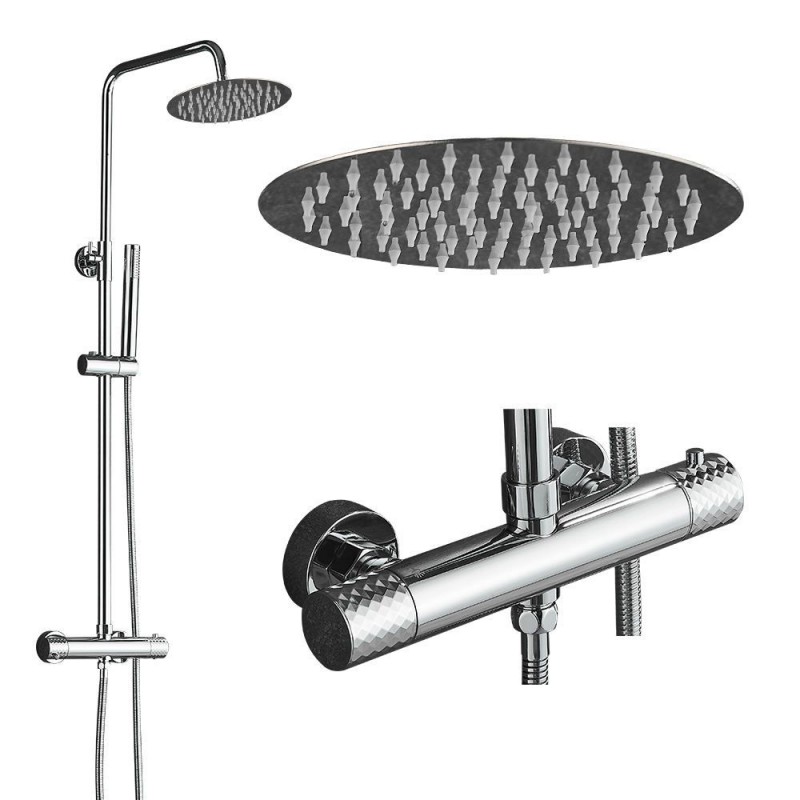
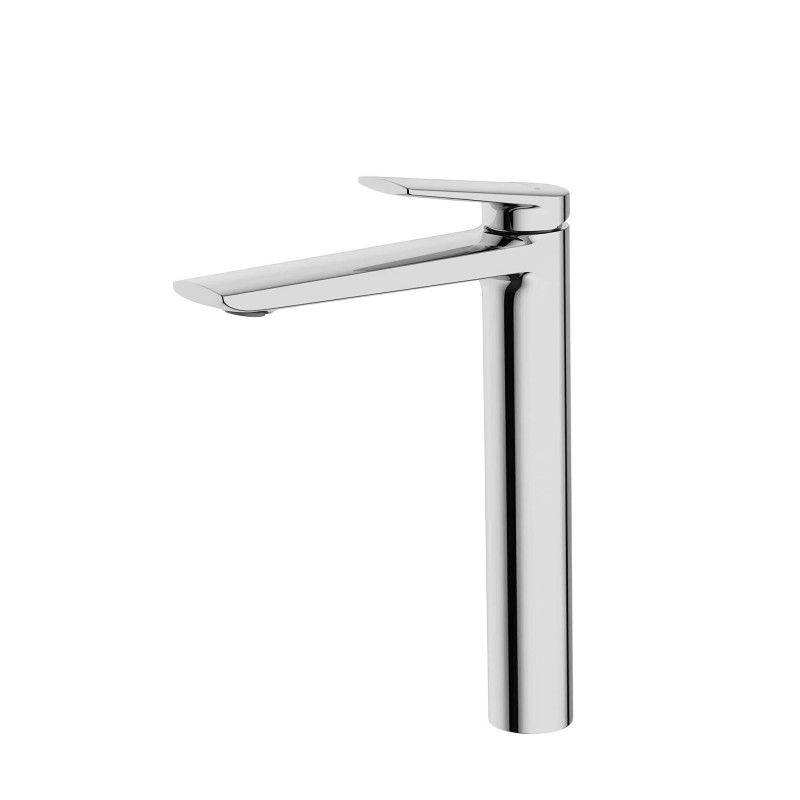
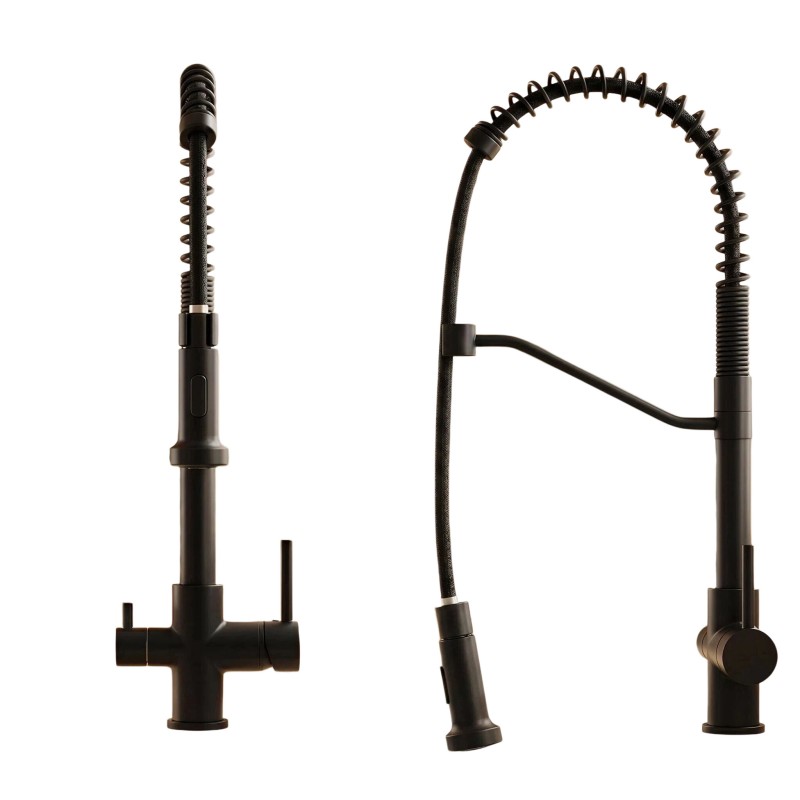
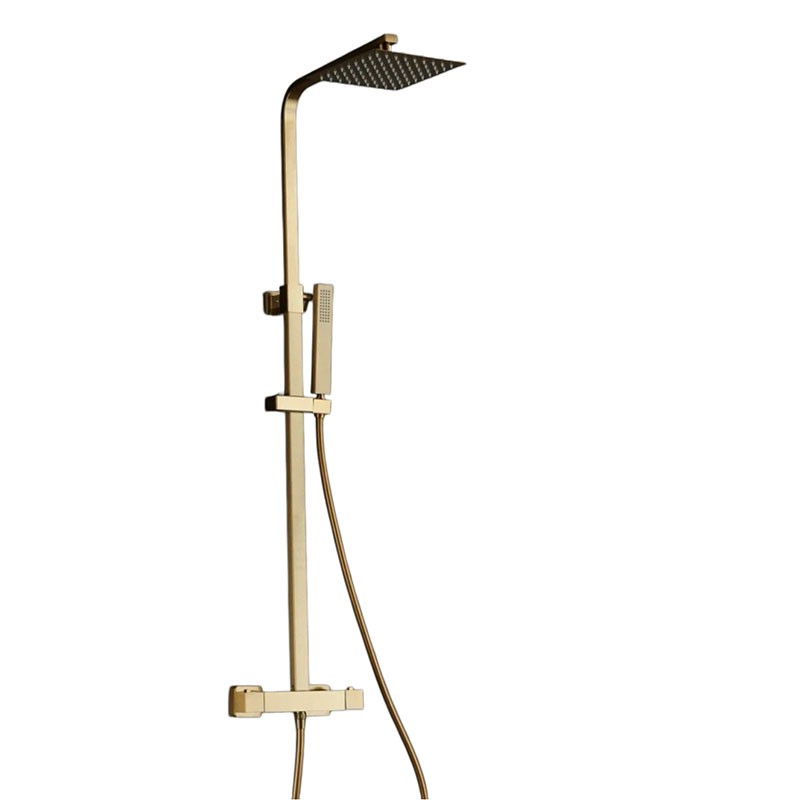
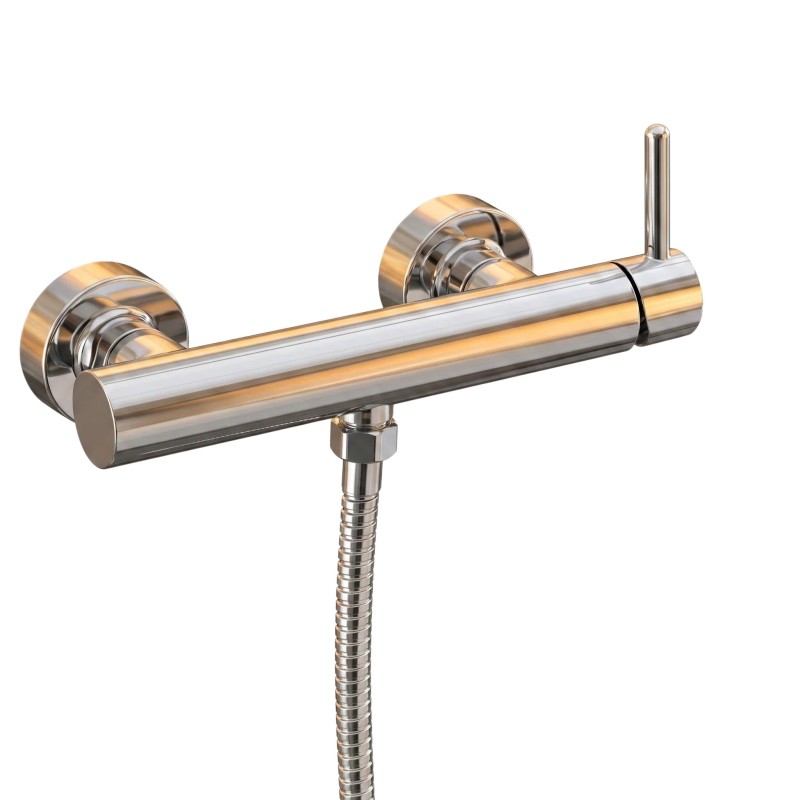
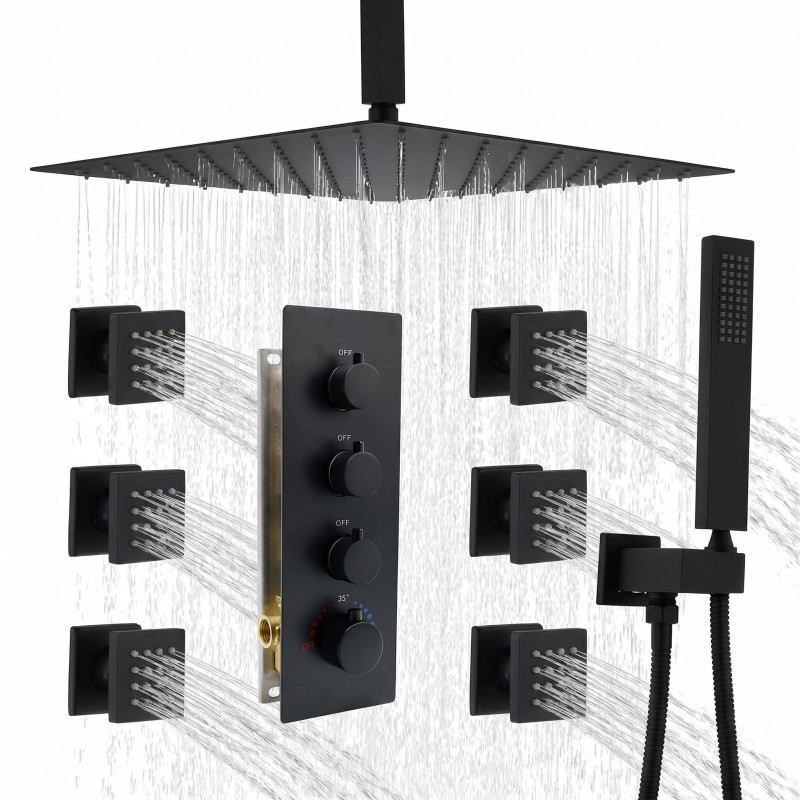
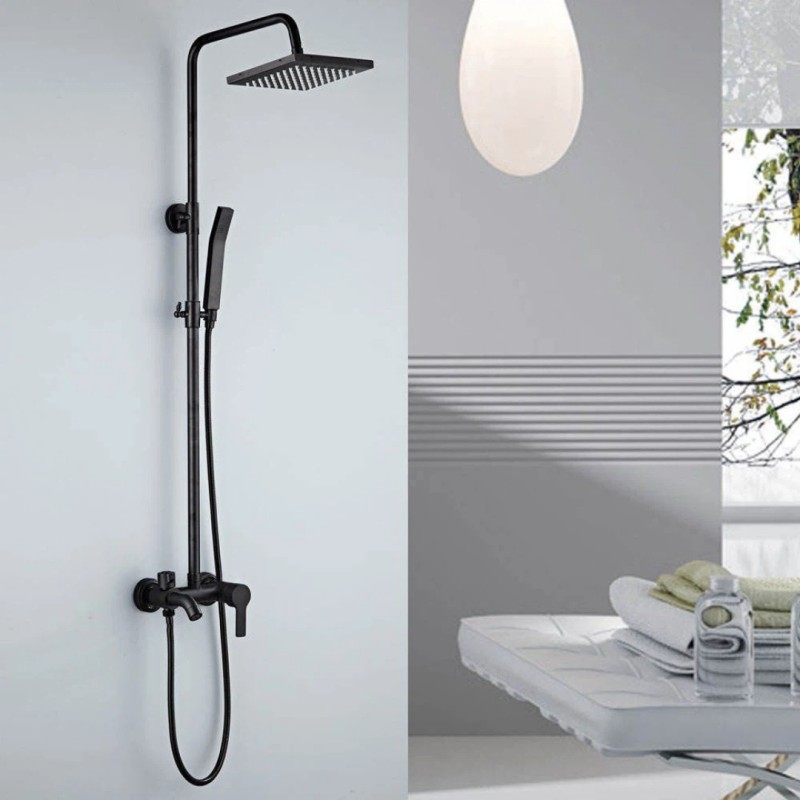
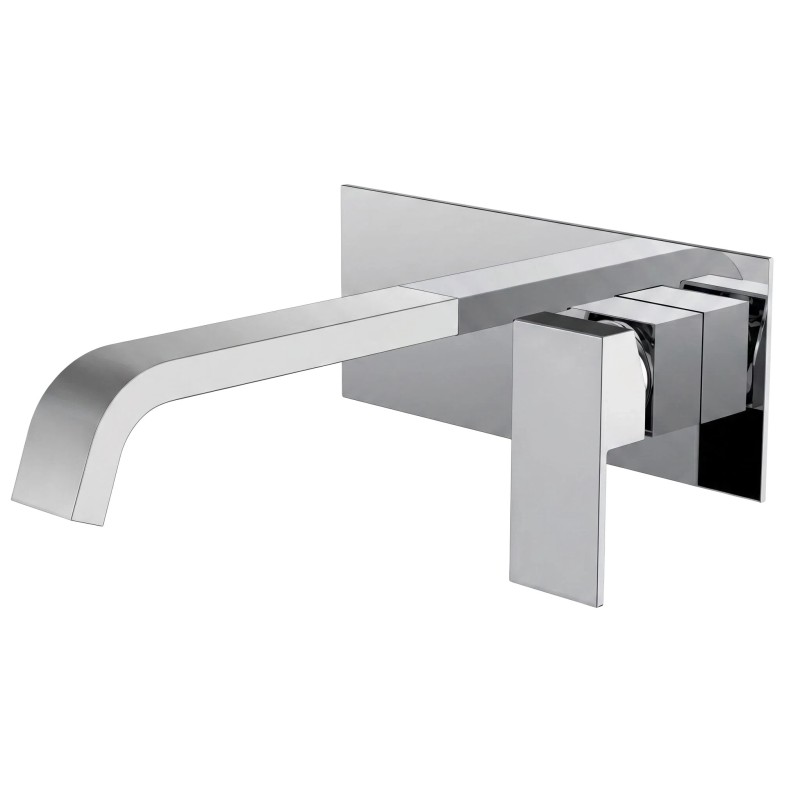
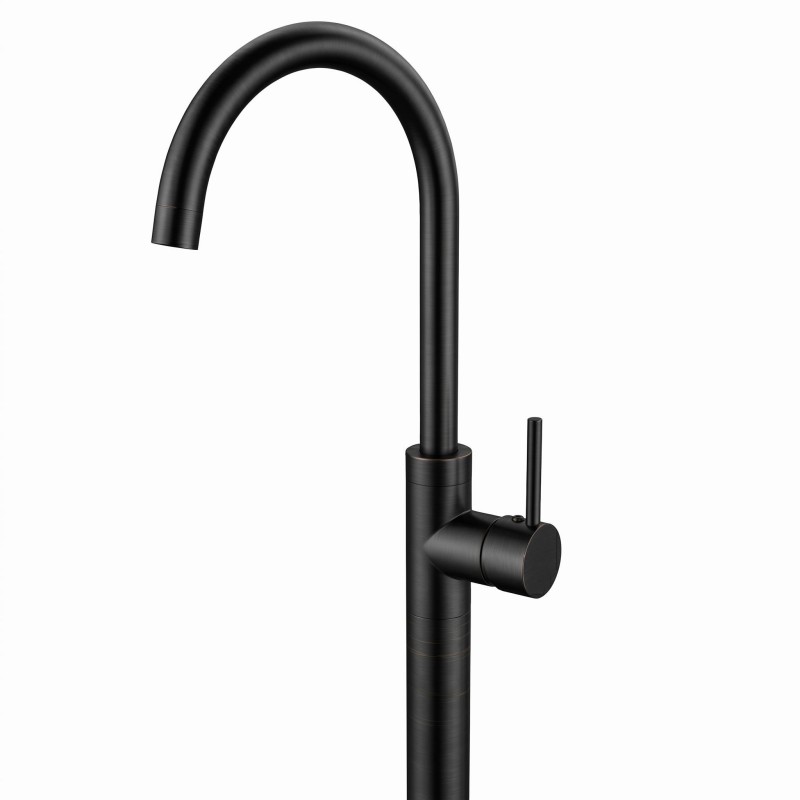
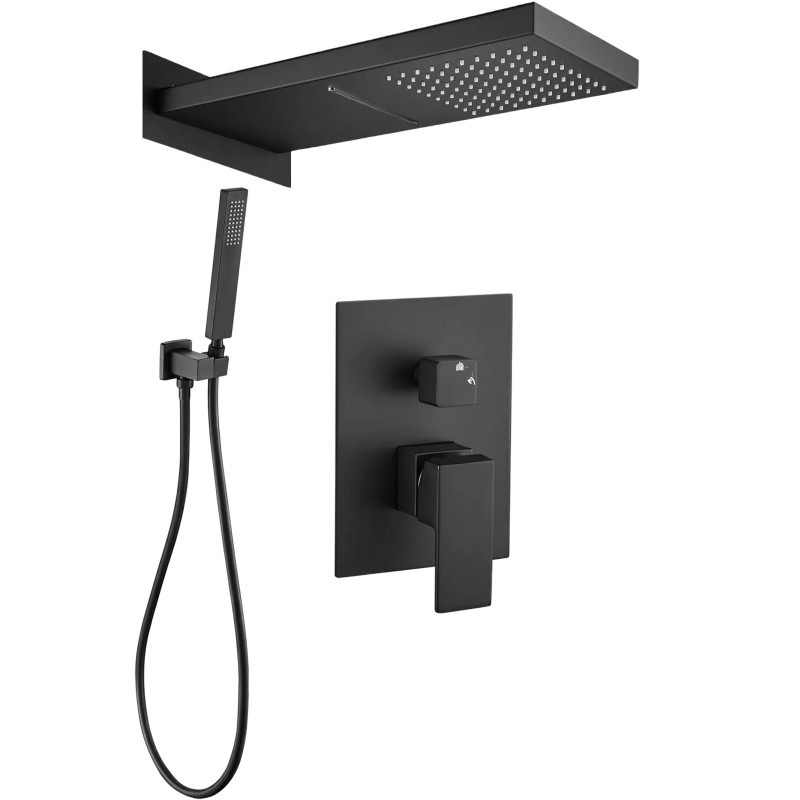
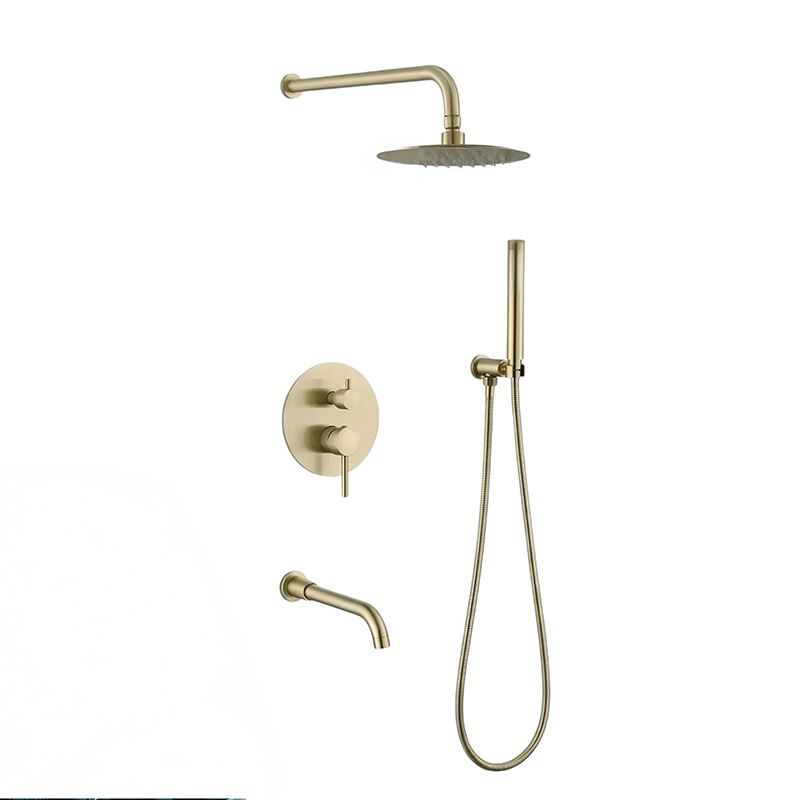
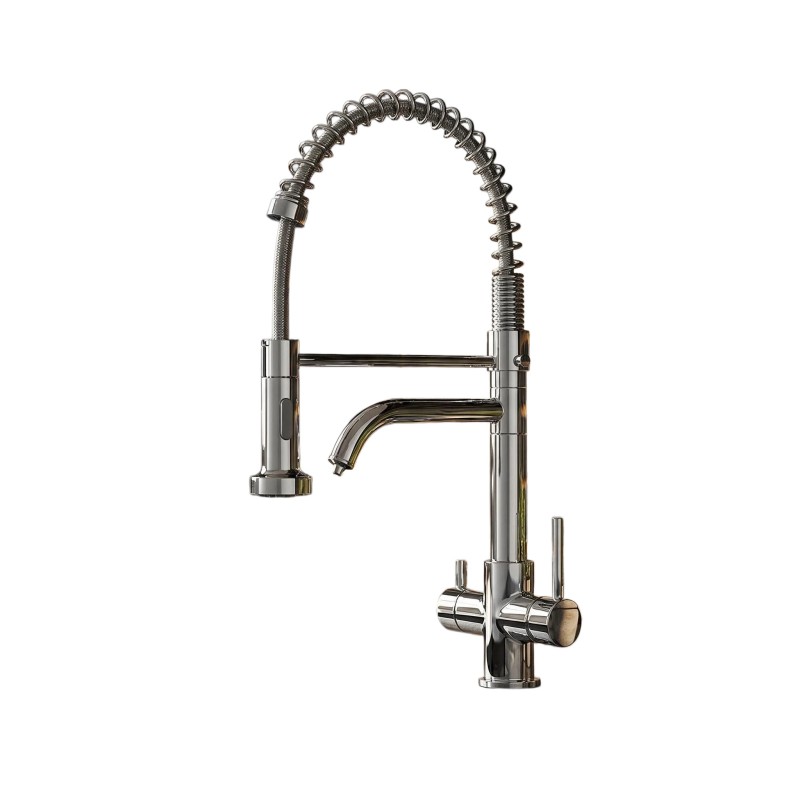
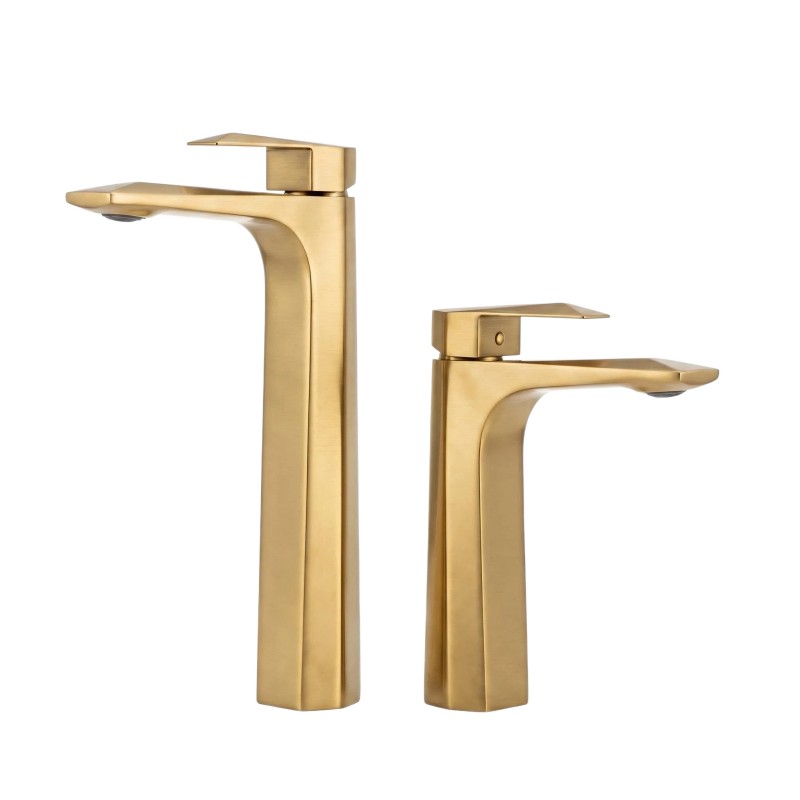
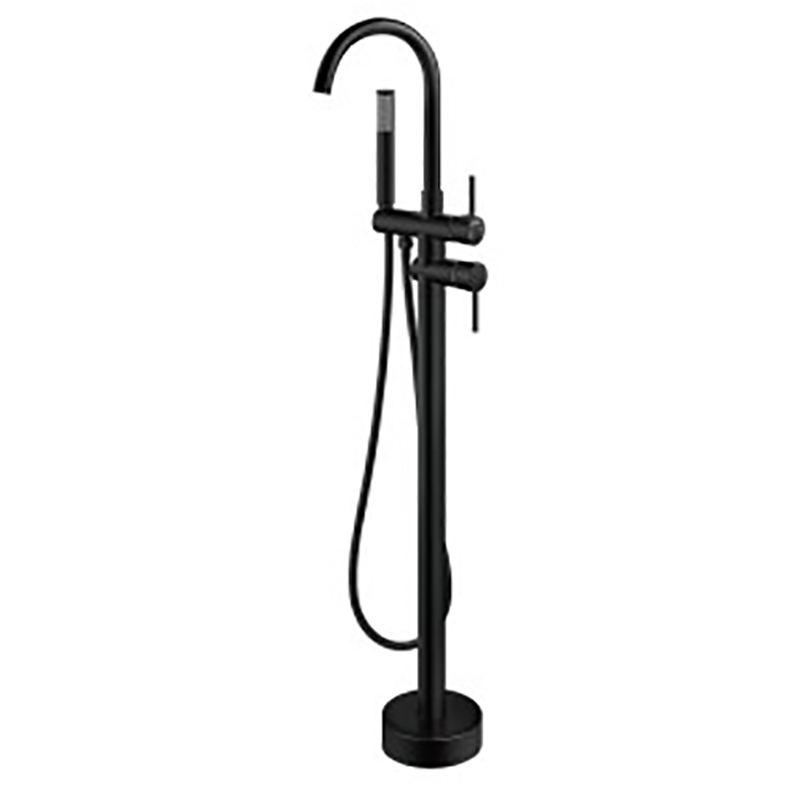
The Thermostatic Brass Bathroom Faucet and Shower System combines a brass thermostatic valve with coordinated shower outlets to provide controlled water temperature for residential and commercial bathrooms. Unlike a conventional mixer that relies primarily on manual adjustment, a thermostatic system continuously regulates the hot and cold water balance to maintain the selected temperature when supply conditions change.
This configuration is designed for bathrooms where temperature stability, anti-scald protection, and convenient switching between shower outlets are important. The brass construction provides a rigid base for the valve body and waterway components, while the thermostatic control system manages temperature independently from normal water-flow adjustment.
Manufactured by Wenzhou BOYU Sanitary Ware Co., Ltd. in Wenzhou, Zhejiang, China, the system is supported by CNC machining, component assembly, water-pressure testing, leakage inspection, surface inspection, and final quality control. BOYU also provides OEM and ODM manufacturing for distributors, wholesalers, bathroom brands, and project customers.
Product Specifications
|
Item
|
Specification
|
|
Product Name
|
Thermostatic Brass Bathroom Faucet and Shower System
|
|
Product Type
|
Thermostatic Bathroom Shower System
|
|
Main Valve Material
|
Brass
|
|
Temperature Control
|
Thermostatic Control
|
|
Safety Function
|
Anti-Scald Protection*
|
|
Water Outlets
|
Shower Outlet / Hand Shower Outlet*
|
|
Control
|
Thermostatic Temperature Control and Water Flow Control*
|
|
Installation
|
Bathroom Wall Installation*
|
|
Application
|
Residential and Commercial Bathrooms
|
|
Manufacturing Process
|
CNC Machining, Assembly and Quality Inspection
|
|
Water Testing
|
Pressure, Leakage and Flow Stability Testing
|
|
Surface Testing
|
200-Hour Neutral Salt Spray Test*
|
|
OEM / ODM
|
Available
|
*The exact outlet configuration, installation method, safety-stop temperature, pressure range and other technical parameters should be confirmed according to the selected model.
Thermostatic Temperature Control
The main functional difference between this system and a standard manual mixer is the thermostatic valve. The valve is designed to regulate the proportion of hot and cold water according to the selected temperature rather than relying entirely on continuous manual adjustment.
When the pressure or temperature of the incoming water supply changes, the thermostatic cartridge responds to the change and adjusts the hot and cold water balance. This helps reduce sudden temperature fluctuations during normal shower operation.
For bathrooms supplied by multiple water outlets, thermostatic control is particularly useful because simultaneous water use elsewhere in the building can change the pressure available to the shower system. The actual temperature stability depends on the valve design, cartridge characteristics, incoming water conditions, and installation configuration.
Thermostatic Valve vs. Conventional Mixer
|
Function
|
Thermostatic System
|
Conventional Mixer
|
|
Temperature Control
|
Thermostatic regulation
|
Manual mixing
|
|
Response to Supply Changes
|
Automatically compensates within the valve's operating range
|
Usually requires manual adjustment
|
|
Temperature Stability
|
Designed to maintain the selected temperature
|
More dependent on incoming supply conditions
|
|
Scald Protection
|
Can incorporate a temperature safety stop
|
Depends mainly on user adjustment
|
|
Typical Application
|
Residential, hospitality and project bathrooms
|
General bathroom installations
|
Brass Thermostatic Valve Body
The valve body is one of the most important structural components of a thermostatic shower system. It houses the thermostatic cartridge and water passages while connecting the hot and cold water supply to the selected shower outlets.
BOYU uses brass for the main valve construction. Brass is widely used in sanitary hardware because it provides suitable mechanical strength for threaded connections, valve housings, and internal waterway components.
During production, relevant brass components can undergo CNC machining operations including drilling, tapping, deburring, and cleaning. Dimensional control is important because the valve body must accommodate the cartridge, seals, connections, and control components with consistent fit.
Independent Temperature and Flow Adjustment
A thermostatic shower system separates two basic user requirements: water temperature and water delivery. The thermostatic control establishes the desired temperature, while the flow-control mechanism determines whether water is supplied and at the required volume.
This separation makes the system easier to operate during repeated shower use. Once the desired temperature has been established, the user can control water delivery without repeatedly searching for the correct hot-to-cold mixing position.
The exact control arrangement varies according to the product configuration and should be confirmed during OEM development.
Anti-Scald Protection
Temperature safety is an important consideration for thermostatic bathroom systems. A thermostatic valve can incorporate a temperature safety stop to prevent the user from unintentionally selecting a water temperature above a predefined level.
The safety-stop setting should be specified according to the requirements of the destination market. Different markets may have different standards, installation practices, and recommended maximum outlet temperatures.
For project orders, buyers should confirm the safety-stop temperature, reset method, cartridge specification, and applicable certification requirements before production.
Shower Outlet Configuration
The shower system can be configured around multiple water outlets depending on the selected design. A typical arrangement may combine an overhead shower with a handheld shower, allowing the user to select the preferred water outlet.
|
Outlet
|
Typical Function
|
|
Overhead Shower
|
Primary showering outlet with wider water coverage
|
|
Hand Shower
|
Targeted rinsing and flexible body washing
|
|
Additional Outlet*
|
Optional tub spout or auxiliary water outlet
|
*Additional outlets depend on the selected shower system configuration.
Water Outlet Switching
When a system incorporates more than one shower outlet, a diverter or outlet-selection mechanism is required to direct water to the selected component.
The diverter configuration should be selected according to the number of outlets and the intended operating method. For example, a two-outlet system may switch between the overhead shower and hand shower, while a multi-outlet system may require additional control positions.
During product selection, buyers should confirm whether the system supports single-outlet operation, simultaneous outlet operation, or sequential outlet switching.
Water Pressure and Temperature Stability
Thermostatic performance depends not only on the cartridge but also on the incoming water conditions. Supply pressure, hot-water capacity, cold-water pressure, pipe diameter, and simultaneous water consumption can all affect the final shower performance.
|
Installation Factor
|
Potential Effect
|
|
Hot Water Pressure
|
Influences the hot-water contribution to the mixed outlet
|
|
Cold Water Pressure
|
Influences the cold-water contribution and temperature balance
|
|
Pressure Difference
|
Can affect temperature stability and flow performance
|
|
Pipe Size
|
Influences available water flow
|
|
Simultaneous Water Use
|
May change supply pressure during shower operation
|
|
Water Heater Capacity
|
Can affect the availability of hot water
|
For project applications, the thermostatic valve should be selected based on the actual water-supply conditions rather than evaluated independently from the plumbing system.
Thermostatic Cartridge
The thermostatic cartridge is the temperature-control component inside the valve body. It responds to changes in water temperature and adjusts the hot and cold water balance to maintain the selected outlet temperature.
Cartridge performance directly affects temperature response, stability, adjustment accuracy, and long-term operating consistency. For OEM projects, the cartridge specification should therefore be treated as a key technical parameter rather than a secondary component.
|
Cartridge Parameter
|
What Buyers Should Confirm
|
|
Cartridge Type
|
Thermostatic cartridge configuration
|
|
Temperature Range
|
Applicable outlet temperature range
|
|
Safety Stop
|
Maximum preset temperature if applicable
|
|
Response
|
Reaction to incoming temperature changes
|
|
Serviceability
|
Replacement and maintenance requirements
|
|
Certification
|
Destination-market requirements
|
Waterway and Sealing Performance
A thermostatic shower system contains multiple water connections, seals, threaded interfaces, valve components, and outlet connections. Reliable sealing is therefore essential for preventing leakage during installation and normal operation.
BOYU's production process includes component machining, cleaning, assembly, pressure testing, and final inspection. The assembly process is designed to maintain consistent fit between the valve body, cartridge, seals, connections, and external components.
Pressure and Leakage Testing
Water testing is an important quality-control stage for bathroom faucets and shower systems. BOYU performs water-related inspections designed to identify leakage, pressure instability, and abnormal flow conditions.
-
Airtightness inspection
-
Water-pressure testing
-
Leakage inspection
-
Hot and cold pressure cycling
-
Pressure stability evaluation
-
Flow stability evaluation
-
Final functional inspection
Any unit that does not meet the applicable inspection requirements is subject to corrective work and reinspection before shipment.
Brass Surface and Corrosion Resistance
Bathroom shower systems operate in environments with frequent exposure to water vapor, splashing water, cleaning agents, and changes in humidity. Surface treatment therefore affects both appearance retention and resistance to environmental exposure.
BOYU states that its faucets, shower systems, and bathroom accessories undergo a 200-hour neutral salt spray test. The test provides an accelerated evaluation of the corrosion resistance of the tested surface system.
The actual result depends on the substrate, surface treatment, coating structure, environmental conditions, and applicable test method. For OEM projects, the required finish and salt spray specification should be confirmed before production.
Manufacturing Process
|
Production Stage
|
Main Control Point
|
|
Raw Material
|
Brass material and component specification
|
|
CNC Machining
|
Valve body dimensions, drilling and threading
|
|
Deburring
|
Removal of machining burrs and sharp edges
|
|
Cleaning
|
Removal of machining residues
|
|
Surface Treatment
|
Finish consistency and surface condition
|
|
Cartridge Assembly
|
Thermostatic cartridge and sealing components
|
|
Shower Assembly
|
Outlet components, hoses and mounting parts
|
|
Water Testing
|
Leakage, pressure and flow performance
|
|
Final Inspection
|
Appearance, operation, dimensions and packaging
|
Quality Inspection
For thermostatic shower systems, quality inspection needs to cover both water performance and temperature-control components. Visual inspection alone cannot verify the performance of the valve assembly.
|
Inspection Area
|
Inspection Focus
|
|
Valve Body
|
Dimensions, machining quality and connection condition
|
|
Thermostatic Cartridge
|
Temperature-control function
|
|
Seals
|
Leakage prevention
|
|
Diverter
|
Outlet switching performance
|
|
Shower Head
|
Water distribution and outlet condition
|
|
Hand Shower
|
Water flow and connection condition
|
|
Surface Finish
|
Color, finish consistency and visible defects
|
|
Packaging
|
Component completeness and protection
|
Installation Considerations
The installation requirements of a thermostatic shower system depend on whether the system uses exposed or concealed plumbing and on the number of water outlets. Correct rough-in dimensions should be confirmed before wall finishing or final installation.
-
Confirm hot and cold water inlet positions.
-
Confirm the required water pressure range.
-
Check the hot and cold supply balance.
-
Confirm valve installation orientation.
-
Verify rough-in depth for concealed configurations.
-
Confirm outlet connections and pipe sizes.
-
Allow service access where required.
-
Check the installation height of the control valve.
-
Confirm the position of the overhead and handheld shower.
-
Verify destination-market plumbing standards.
Residential and Commercial Applications
|
Application
|
Typical Requirement
|
|
Residential Bathrooms
|
Stable temperature control for daily showering
|
|
Apartment Projects
|
Standardized thermostatic bathroom installations
|
|
Hotels
|
Consistent shower temperature and multi-outlet control
|
|
Bathroom Renovation
|
Replacement of conventional shower mixers
|
|
Residential Developments
|
Batch supply of coordinated shower systems
|
|
Private Label
|
Customized thermostatic shower configurations
|
OEM and ODM Customization
BOYU provides OEM and ODM services for bathroom brands, importers, distributors, wholesalers, retailers, contractors, and project developers.
For thermostatic shower system projects, customization can cover the valve body, control arrangement, outlet configuration, shower head, hand shower, hose, surface finish, logo, packaging, and destination-market requirements.
-
Thermostatic valve configuration
-
Valve body dimensions
-
Temperature-control range
-
Safety-stop setting
-
Diverter configuration
-
Number of water outlets
-
Overhead shower size
-
Hand shower configuration
-
Hose length
-
Surface finish
-
Brand logo
-
Packaging and labeling
Customers can provide drawings, reference samples, target-market specifications, or existing product samples for evaluation and customized development.
Factory Manufacturing Capability
Wenzhou BOYU Sanitary Ware Co., Ltd. operates a manufacturing facility of more than 4,000 square meters in Longwan District, Wenzhou, Zhejiang, China.
The factory integrates product design, R&D, CNC machining, assembly, testing, quality inspection, and finished-goods management. The reported daily production capacity includes 3,000 faucets, 1,500 shower systems, 1,000 smart toilets, and 5,000 towel racks.
Buyer Selection Guide
For a thermostatic bathroom shower system, buyers should evaluate the valve, cartridge, water-supply conditions, outlet configuration, installation method, and certification requirements as one complete system.
|
Selection Parameter
|
What to Confirm
|
|
Valve Material
|
Brass grade and valve-body construction
|
|
Thermostatic Cartridge
|
Cartridge type and temperature-control performance
|
|
Safety Stop
|
Preset maximum temperature if applicable
|
|
Working Pressure
|
Applicable supply pressure range
|
|
Temperature Range
|
Required outlet temperature range
|
|
Water Outlets
|
Overhead shower, hand shower and optional outlets
|
|
Diverter
|
Outlet selection method
|
|
Installation
|
Exposed or concealed configuration
|
|
Connections
|
Inlet and outlet specifications
|
|
Surface Finish
|
Finish type and corrosion-test requirements
|
|
Certification
|
Destination-market requirements
|
Why Source Thermostatic Shower Systems from BOYU?
A thermostatic shower system requires coordination between the valve body, thermostatic cartridge, waterway, seals, outlet controls, shower components, and surface finish. Product reliability therefore depends on the consistency of both machining and assembly.
BOYU integrates CNC machining, component processing, assembly, pressure testing, surface inspection, and final quality control within its manufacturing operation. This supports customized shower-system development for different bathroom layouts and target markets.
For OEM and private-label customers, BOYU can provide prototype development, customized product specifications, logo application, packaging, and production based on drawings or samples.
Frequently Asked Questions
What is a thermostatic shower system?
A thermostatic shower system uses a thermostatic valve to regulate hot and cold water and maintain the selected outlet temperature within the operating range of the valve and water-supply system.
What is the main material of the valve?
The main valve construction uses brass. The exact materials of cartridges, handles, shower heads, hoses, and other components should be confirmed according to the selected configuration.
What is the advantage of a thermostatic valve?
The main advantage is temperature stability. The thermostatic cartridge responds to changes in the incoming hot and cold water conditions and adjusts the water mixture to help maintain the selected temperature.
Does a thermostatic shower prevent scalding?
A thermostatic system can incorporate a temperature safety stop or anti-scald function. The actual safety performance and preset temperature depend on the selected valve configuration and applicable standards.
Can the system work with an overhead shower and hand shower?
Yes. A thermostatic shower system can be configured with multiple outlets, such as an overhead shower and handheld shower. The exact outlet arrangement depends on the selected model.
Can the system include a bathtub outlet?
A tub spout or additional outlet can be incorporated into suitable configurations. The required number of outlets and diverter arrangement should be confirmed during product selection.
Does water pressure affect thermostatic performance?
Yes. Supply pressure, pressure balance between hot and cold water, pipe dimensions, and simultaneous water use can all affect the final water temperature and flow performance.
Is this system suitable for hotel projects?
Thermostatic shower systems can be used in hotels, apartments, residential developments, and other commercial projects where consistent temperature control is required. Project-specific pressure, flow, certification, and installation requirements should be confirmed before ordering.
Can BOYU customize the shower system?
Yes. BOYU provides OEM and ODM services covering valve configuration, outlet arrangement, shower components, surface finish, branding, packaging, and other specified requirements.
Can we add our own logo?
Yes. Logo customization is available for OEM projects. Logo position, application method, artwork, and MOQ should be confirmed before production.
Does BOYU perform pressure testing?
Yes. BOYU's production inspection procedures include water-pressure testing, leakage inspection, hot and cold pressure cycling, and pressure and flow stability evaluation.
Does BOYU perform salt spray testing?
BOYU states that its faucets, shower systems, and bathroom accessories undergo a 200-hour neutral salt spray test. The applicable standard and acceptance criteria should be confirmed according to the selected finish and target market.
What information is required for an OEM quotation?
Buyers should provide the valve type, material, temperature-control requirements, safety-stop requirements, water outlets, diverter configuration, installation type, inlet connections, surface finish, certification requirements, logo, packaging, MOQ, and estimated order quantity.
OEM Technical Confirmation
For customized thermostatic bathroom faucet and shower system projects, confirm the following parameters before sampling:
Valve Material → Thermostatic Cartridge → Temperature Range → Safety Stop → Working Pressure → Hot/Cold Supply → Water Outlets → Diverter → Shower Head → Hand Shower → Installation Type → Connections → Surface Finish → Certification → Logo → Packaging → MOQ → Lead Time
Confirming these parameters before sampling helps reduce installation incompatibility, cartridge changes, repeated prototype revisions, and production delays.